March 21, 1850 Trailblazing bicycle manufacturer Albert H. Overman was born in Fulton County, Illinois. Early on in life, he developed a strong interest in the mechanics of transportation. Overman said in an 1897 interview with the New York-based World newspaper, “I have all my life been engaged in experimental work connected with man-propelled machinery,... Continue Reading →

March 20, 1905 A three-hinged steel through arch bridge, crossing the Connecticut River and linking the Vermont village of Bellows Falls with the New Hampshire community of North Walpole, was formally opened. Measuring 644 feet and eight inches (196.5 meters) in length, the Bellow Falls Arch Bridge had been designed by Boston civil engineer J.R.... Continue Reading →

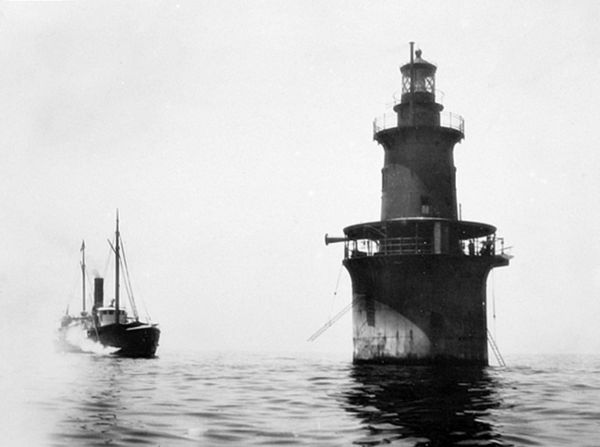
March 15, 1906 A caisson lighthouse in the Gulf of Mexico was lit for the first time. (Each caisson lighthouse has a superstructure resting on a concrete or metal caisson in order to better withstand potentially severe weather conditions.) This addition to American lighthouses off the Gulf Coast of the United States was specifically installed... Continue Reading →

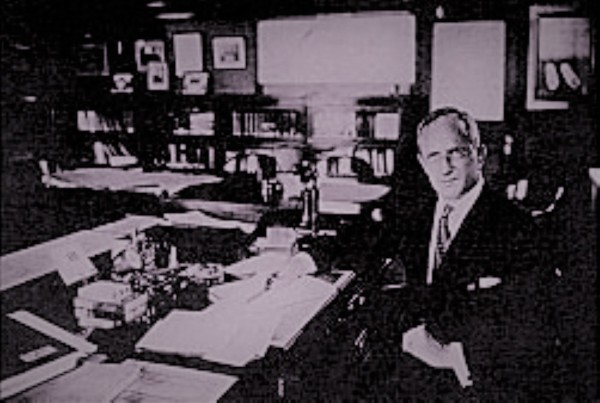
March 13, 1883 Civil engineer Clifford Milburn Holland was born in the town of Somerset, Massachusetts. His career would encompass construction on several tunnels in and around New York City. His crowning achievement when it came to those tunnels involved the one that now bears his name: the Holland Tunnel, which was built under the Hudson... Continue Reading →

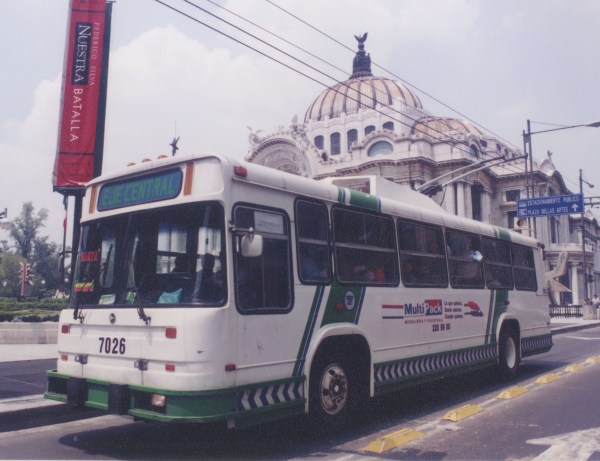
March 9, 1951 The public transport agency Servicio de Transportes Eléctricos del Distrito Federal (now known as Servicio de Transportes Eléctricos de la Ciudad de México [STE]) officially launched the first trolleybus route in Mexico City. Transportes Eléctricos, in preparation for this new transit service in Mexico’s capital, had purchased a total of 20 trolleybuses... Continue Reading →

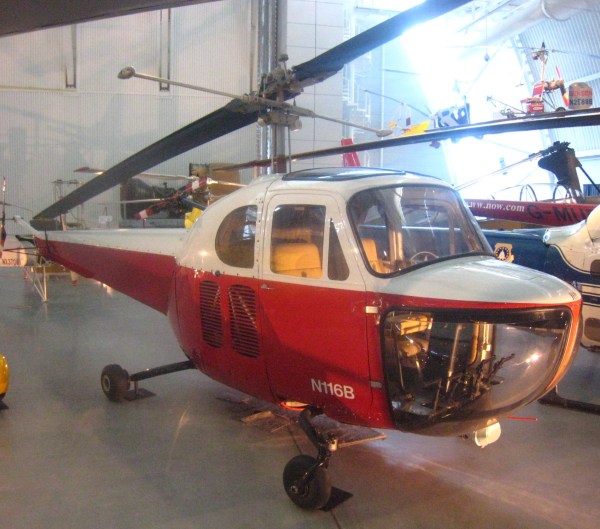
March 8, 1946 A major milestone in aviation history took place when the Bell 47 became the world’s first helicopter certified for commercial use. This first-of-a-kind certificate was issued for the Bell 47 by the Civil Aeronautics Administration (CAA), forerunner to the present-day Federal Aviation Administration. The Bell 47 was a single-rotor, single-engine light helicopter manufactured... Continue Reading →

March 6, 1913 A large number of highway officials and supporters from all of the states showed up at the Raleigh Hotel in Washington, D.C., for the Second National Good Roads Federal-Aid Convention. This heavily attended conference was held under the auspices of the American Automobile Association (AAA). Laurens Enos, the president of AAA, opened the... Continue Reading →

 February 27, 2002 A dedication ceremony was held for a pedestrian and bicycle bridge spanning Interstate 80 (I-80) in the city of Berkeley, California. “Jubilation as New Bridge Opens Car-Free Access,” announced a headline in the next day’s edition of the Oakland Tribune. This tied-arch concrete bridge, which is known as the I-80 Bicycle and... Continue Reading →

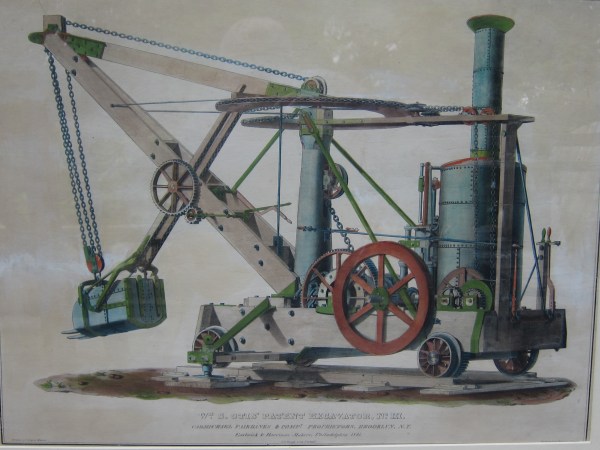
February 24, 1839 Civil engineer William Smith Otis of Philadelphia was issued U.S. patent number 1,089 for the steam shovel, which was classified in that patent as a “Crane-Excavator for Excavating and Removing Earth.” As designed by Otis, this large steam-powered machine -- when mounted on wheeled devices such as carriages or railroad cars --... Continue Reading →

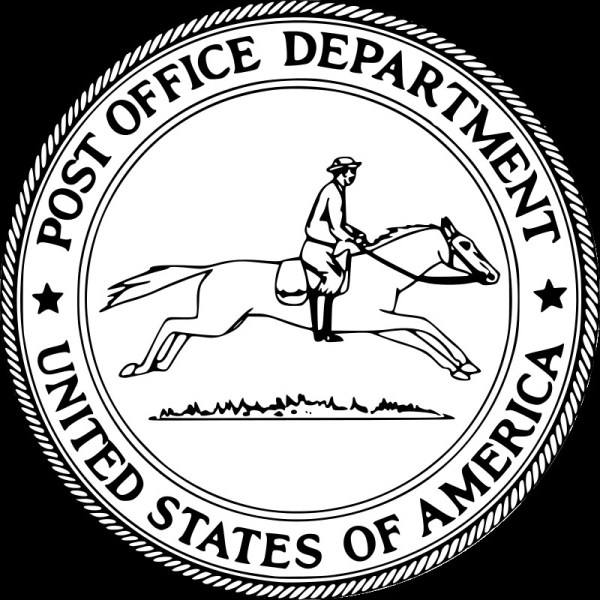
February 20, 1792 President George Washington signed into law the Postal Service Act of 1792. This measure would have far-reaching implications not only for the new country’s mail-delivery services but also its transportation network. The Postal Service Act of 1792, in addition to merely giving the General Post Office a two-year extension (a law passed... Continue Reading →

Create a website or blog at WordPress.com

Up ↑