Edward Olney was born on July 26, 1799, in the town of Union in Maine’s mid-coast region. He was a member of the Penobscot Tribe, which is now formally called the Penobscot Nation. Olney first enlisted in the U.S. Navy in 1843. Olney eventually left this military branch but rejoined it in 1863 in the... Continue Reading →
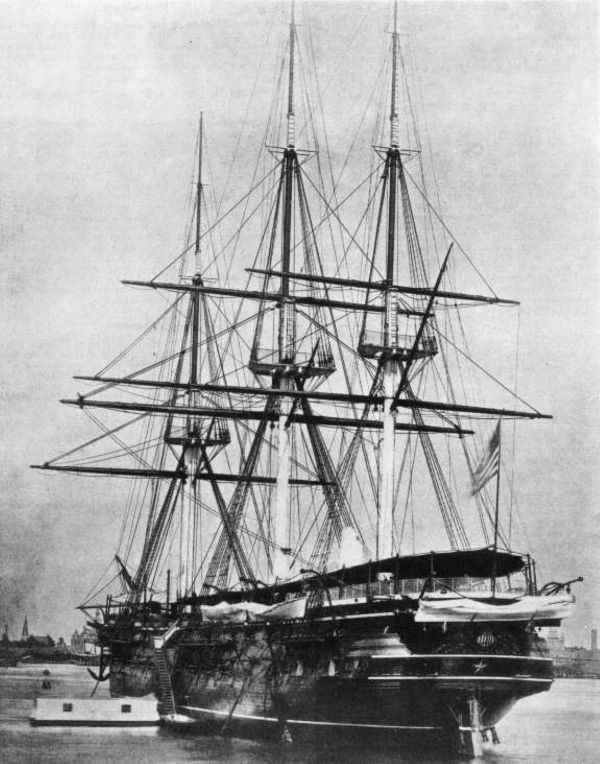
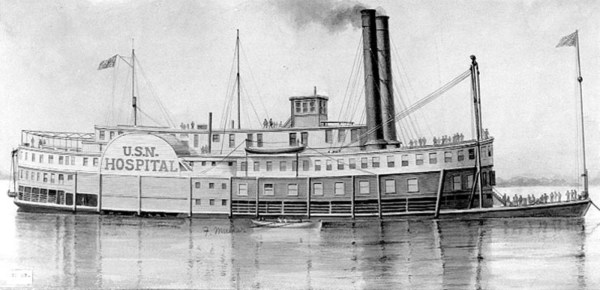
September 30, 1862 Nearly a year-and-a-half after the start of the American Civil War, the Union Navy (the name for the U.S. Navy during that military conflict) acquired the side-wheel steamer Red Rover as part of its fleet. Red Rover became this military branch’s first vessel used specifically as a hospital ship. Red Rover had... Continue Reading →
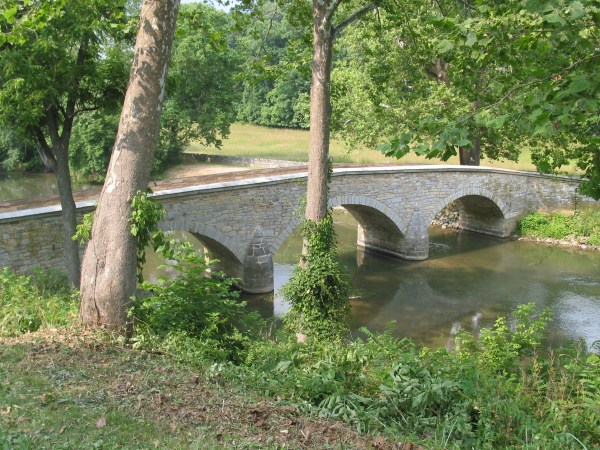
September 17, 1862 An unimposing bridge in Maryland played a pivotal role in one of the most significant battles of the American Civil War. The Battle of Antietam, which was fought near the town of Sharpsburg, was the first major military engagement of that war to take place on Union soil. This battle also encompassed the... Continue Reading →
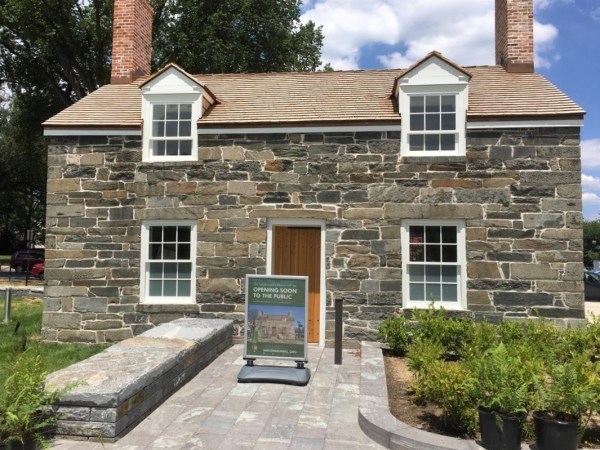
May 2, 1810 A groundbreaking ceremony was held in southeast Washington, D.C., for a new canal. Those attending this event included James Madison (1751-1836), who served as the fourth U.S. president from 1809 to 1817. The building of the Washington City Canal reflected the widespread enthusiasm during that era for waterways that would help facilitate... Continue Reading →
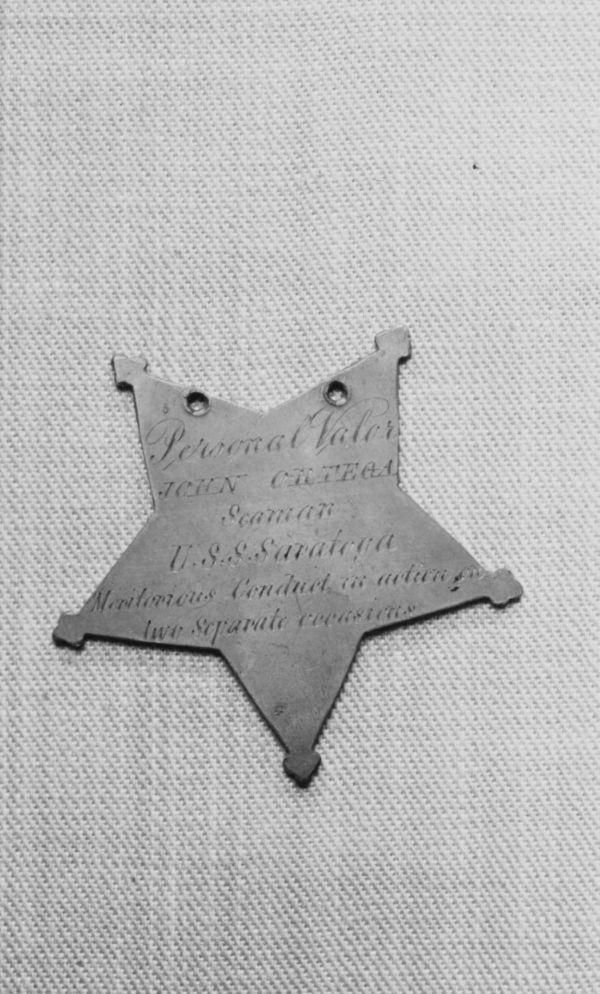
Juan Ortega was born in Spain in 1840. He eventually immigrated to the United States and settled in Pennsylvania. Ortega, who became better known as John rather than Juan, would serve with distinction while fighting for his adopted country during the American Civil War. Ortega joined the Union Navy -- the name for the U.S.... Continue Reading →
On June 19, 1865 -- nearly two-and-a-half years after President Abraham Lincoln issued the Emancipation Proclamation -- enslaved Americans in Galveston, Texas, at long last received official notification that they were free from bondage. That historic day is now called Juneteenth, a portmanteau of “June” and “nineteenth.” The Emancipation Proclamation applied only to those states... Continue Reading →
April 25, 1885 Marcus Aurelius Hanna, the head keeper at Cape Elizabeth Light (also known as Two Lights) at the mouth of Casco Bay on Maine’s southern coast, received the prestigious Gold Lifesaving Medal. Daniel Manning, who was U.S. secretary of the treasury from 1885 to 1887, awarded this medal to Hanna for his heroic... Continue Reading →
Cipriano Andrade, whose U.S. Navy service spanned four decades, was born on September 1, 1840 in the port city of Tampico in northeastern Mexico. He eventually attended both public and private schools in Philadelphia. In addition, Andrade studied engineering at the Franklin Institute in that city. On July 1, 1861 -- less than three months... Continue Reading →
September 20, 1830 Point Lookout Light in southern Maryland was formally inaugurated. This structure, marking the mouth of the Potomac River, is located at the southernmost tip of the state’s western shore of the Chesapeake Bay. (The origins of the name “Point Lookout” can be traced to the War of 1812, when that area was... Continue Reading →
August 17, 1861 Just over four months after the start of the American Civil War, the Union Navy (the name for the U.S. Navy during that military conflict) acquired the steam tugboat Oliver M. Pettit in New York City as part of its fleet. This vessel was purchased on behalf of the Navy by commission... Continue Reading →