February 9, 1933 Scottish aviator James A. Mollison, flying a de Havilland Puss Moth high-wing monoplane that he named “The Heart’s Content,” completed the first solo east-west airborne crossing of the South Atlantic Ocean. This unprecedented flight ended with Mollison landing at the city of Natal in northeastern Brazil at 1:20 p.m. He arrived there... Continue Reading →
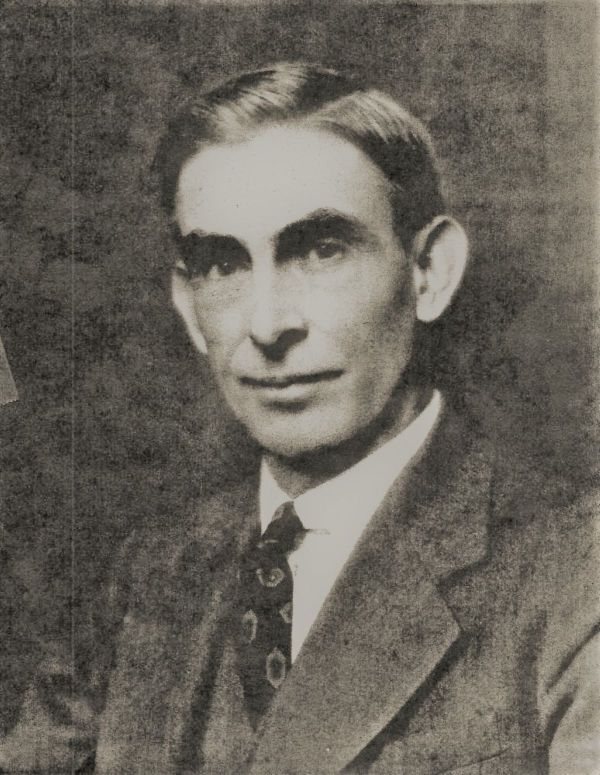
February 4, 1883 Stephen Latchford, a U.S. diplomat who became one of his country’s foremost authorities on aviation law and a key influence when it came to that mode of transportation, was born in Annapolis Junction, Maryland. Perhaps Latchford’s birth in a community that owed its name to being a rail junction presaged a transportation-themed career... Continue Reading →
Bobby Charles Wilks, who was born in St. Louis in 1931, achieved several key “firsts” as an African American aviator. In 1956, he graduated with a commission of ensign from the U.S. Coast Guard (USCG) Reserve Officers’ Candidate School in New London, Connecticut. Not long after receiving this commission, Wilks was assigned as a flight student... Continue Reading →
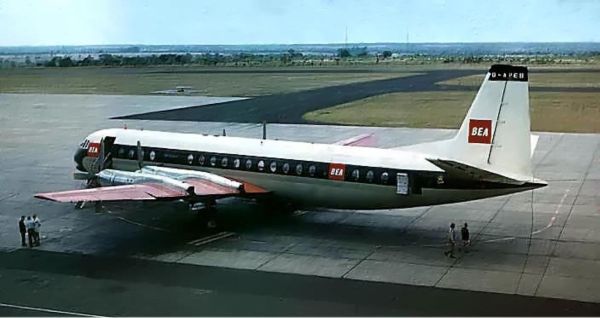
January 20, 1959 The first flight of the British short-to-medium-range turborprop airliner Vickers Vanguard took place in the skies above southeastern England. This plane was designed and built by the British aircraft manufacturer Vickers-Armstrongs. The chief test pilot for the Vanguard’s maiden flight was E.R. “Jock” Bryce. A 1955 article in the Melbourne-based Age newspaper characterized... Continue Reading →
January 18, 1857 Henry Wigram, who became a transportation pioneer in New Zealand, was born in London, England. Wigram immigrated to what was then the British colony of New Zealand in 1883. He settled in the city of Christchurch, located in the Canterbury region of New Zealand’s South Island. Wigram eventually became involved in Christchurch’s... Continue Reading →
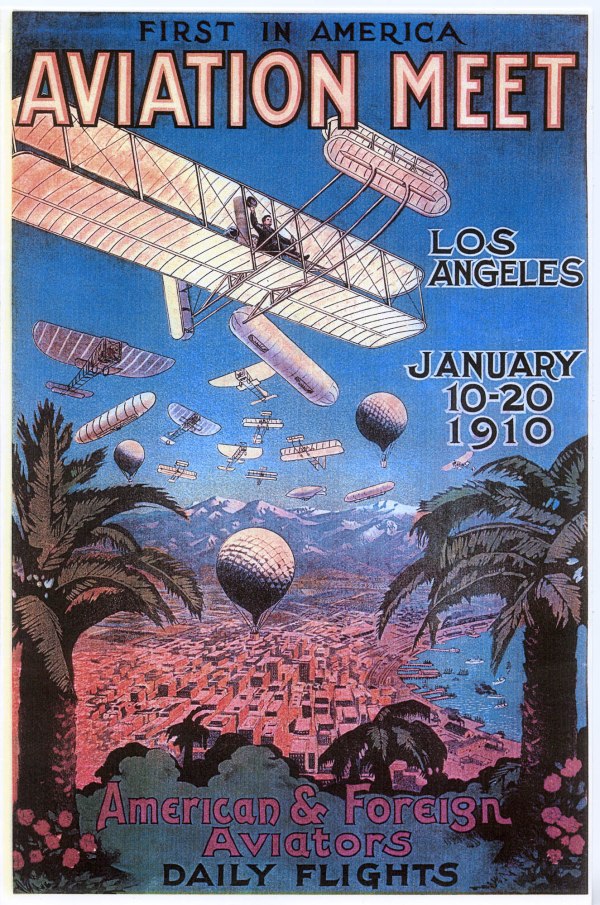
January 10, 1910 The first major airshow in the United States -- as well as one of the earliest airshows worldwide -- made its debut at Dominguez Field in Los Angeles County, California. Approximately 254,000 spectators turned out for the 10-day extravaganza, which was characterized by the Los Angeles Times as “one of the greatest public... Continue Reading →
December 27, 1773 George Cayley, an engineer and one of the key figures in aviation history, was born in the seaside town of Scarborough in England. He painstakingly observed and took notes on birds and how they were able to fly, and created the first successful glider able to carry humans. Cayley, first and foremost, helped... Continue Reading →
December 10, 1948 A single-runway airport on Northerly Island, a 91-acre (437-hectare) artificial peninsula located along the section of Lake Michigan that is in Chicago, was officially opened. Construction on this airport had begun in 1946. The public officials taking part in the dedication ceremonies for Northerly Island Airport included Martin H. Kennelly, mayor of... Continue Reading →
December 2, 1961 An airport in northeastern Italy’s region of Friuli Venezia Giulia officially began commercial operations. This airport is specifically located about 19 miles (30 kilometers) northwest of Trieste, the capital city of Friuli Venezia Giulia. As far back as 1935, that aviation facility had been used as a base for the country’s air... Continue Reading →
During World War II, Thomas “Tom” Oxendine became the first Native American to be commissioned as a pilot in the U.S. Navy. Oxendine was a member of the Lumbee Tribe of North Carolina. Most of the members of this tribe have lived in Robeson, Cumberland, Hoke, and Scotland counties in North Carolina. Oxendine was born... Continue Reading →