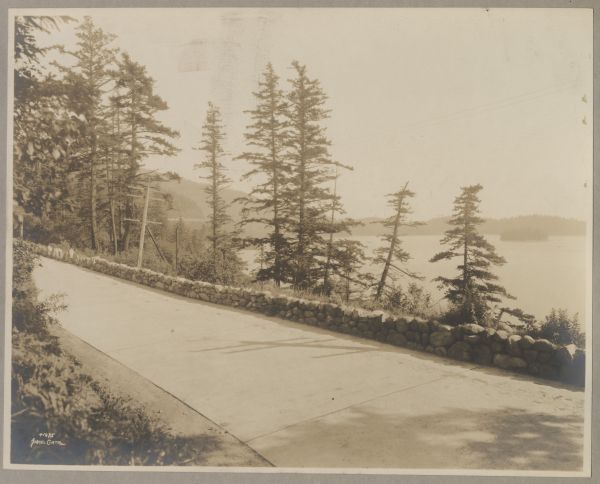
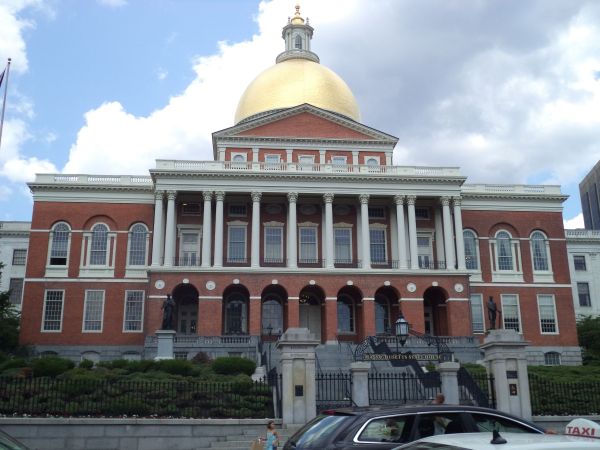
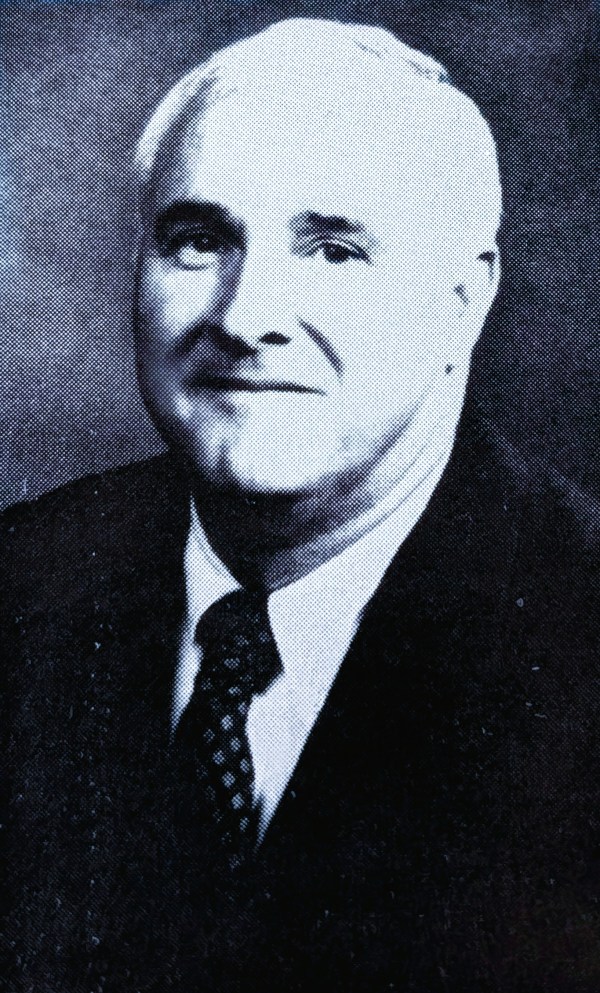
A pioneering regional system of numbered routes took shape at a meeting of highway officials from each of the six New England states in April 1922. The meeting was hosted by the Automobile Club of American (ACA) and the others in attendance included representatives from the New England Hotel Men’s Association, and the Automobile Blue... Continue Reading →
Nearly a decade before the official authorization of the U.S. Numbered Highway System nationwide, the state of Wisconsin played a groundbreaking role in the establishment of such routes within its own boundaries. By 1917, an ever-increasing number of Wisconsin residents recognized the need for changes to be made to state trails and roads that were... Continue Reading →
In April 1925, the first full-fledged meeting of the Joint Board on Interstate Highways was held at the headquarters of the U.S Bureau of Public Roads (BPR) in Washington, D.C. This two-day meeting took place just a few weeks after the board was formally established to work on developing what ultimately became the U.S. Numbered... Continue Reading →
July 8, 1916 With momentum continuing to take firm shape across the United States for the Federal Aid Road Act of 1916, International News Service (INS) issued an update on this landmark legislation. “The new bill proposing federal aid to road building has gone to President Wilson for his signature,” reported INS. Along with providing... Continue Reading →
June 29, 1956 President Dwight D. Eisenhower (1890-1969) ushered in the Era of the Interstate System by signing into law the landmark Federal-Aid Highway Act of 1956. At the time, he was at Walter Reed Army Hospital in Bethesda, Maryland, recuperating from major intestinal surgery that had been performed 20 days earlier. To say that June... Continue Reading →
June 22, 1950 The Highway Research Board (the present-day Transportation Research Board) formally announced the imminent launch of a major highway research project in the Washington, D.C. metropolitan area. This project would specifically take place in the vicinity of La Plata, a Maryland town about 32 miles (51.5 kilometers) southeast of the nation’s capital. The... Continue Reading →
May 21, 1961 The first National Highway Week in the United States was officially launched. The idea for this commemorative week had taken place about three months earlier in Washington, D.C., during a Public Understanding Workshop co-sponsored by the Better Highways Information Foundation (BHIF) – a group founded by several highway industry organizations – and... Continue Reading →
May 20, 1972 In Canada’s province of Ontario, a vehicular tunnel in the city of Welland was formally opened. This tunnel, which is part of East Main Street in the city, carries both Niagara Road 27 and the unsigned designation of Highway 7146 beneath the longstanding Welland Canal. The Main Street Tunnel also serves as... Continue Reading →
In 2006, a memorial made out of marble was dedicated at the headquarters of the Colorado Department of Transportation (CDOT) in Denver to honor those state employees who have lost their lives in work zones or elsewhere while performing their duties. The names of these fallen workers have been etched onto the CDOT Employee Memorial... Continue Reading →
March 11, 2016 In the Australian state of Victoria, an arterial route built in the vicinity of southeastern Melbourne’s suburb of Dingley Village first went into service. Dingley Bypass was officially opened by Luke Donnellan (born in 1966), who served as the minister for Roads and Road Safety within the Executive Council of Victoria from... Continue Reading →