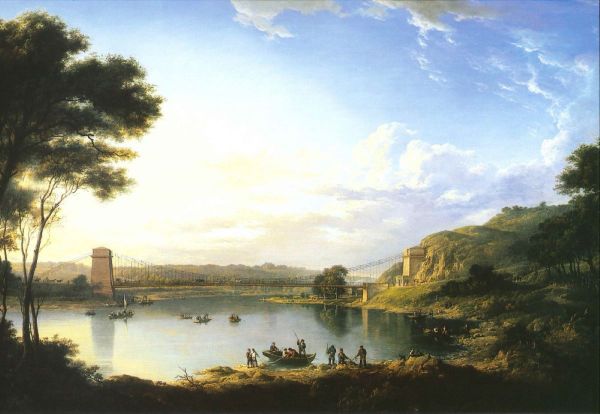
July 26, 1820 A dedication ceremony was held for the Union Chain Bridge spanning the River Tweed and serving as a link between the village of Horncliffe in England and the parish of Fishwick in Scotland. At the time of its opening, this structure – with a length of 449 feet (137 meters) – was... Continue Reading →
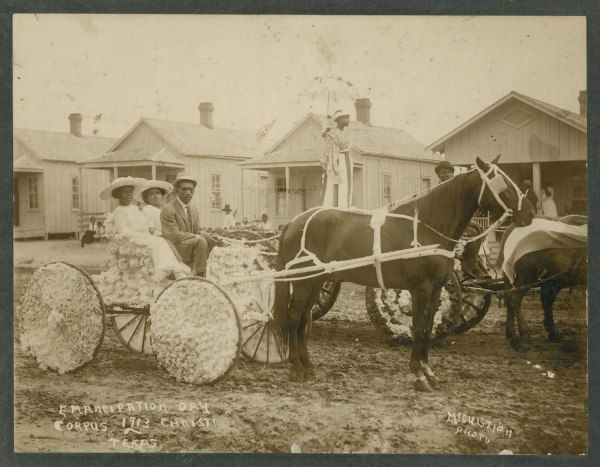
On June 19, 1865 -- nearly two-and-a-half years after President Abraham Lincoln issued the Emancipation Proclamation -- enslaved Americans in Galveston, Texas, at long last received official notification that they were free from bondage. That historic day is now called Juneteenth, a portmanteau of “June” and “nineteenth.” The Emancipation Proclamation applied only to those states... Continue Reading →
May 21, 1901 In response to the steady increase of automobiles on its roads, the state of Connecticut enacted a pioneering speed limits law. This law required that automobiles travel no faster than 12 miles (19.3 kilometers) per hour within cities and 15 miles (24.1 kilometers) per hour on roads elsewhere. The law also required automobile drivers... Continue Reading →
April 24, 1949 It was the end of a transportation era in San Diego, California, at 5:45 that morning. This was when streetcar no. 446 of the San Diego Transit Company (known as the San Diego Electric Railway up until September of the previous year) completed its final run by pulling into the car barn... Continue Reading →
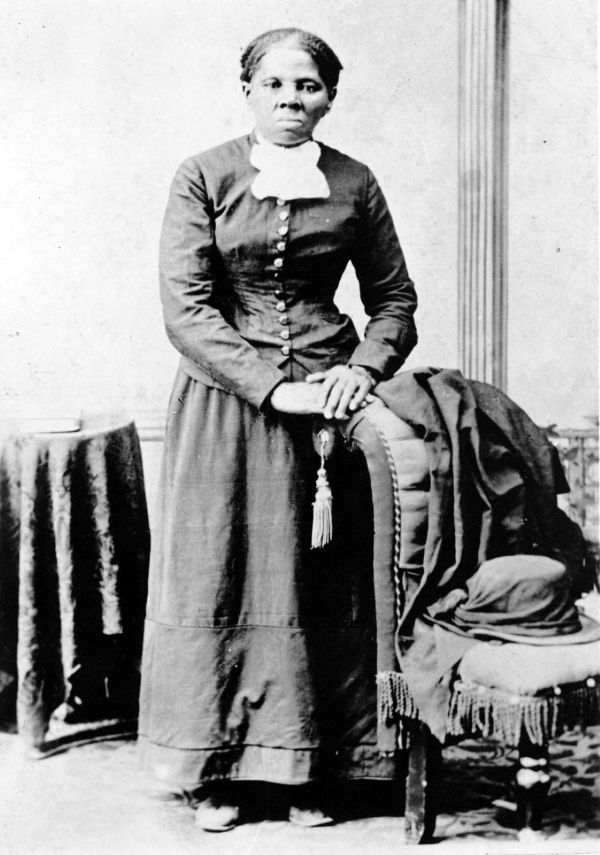
Harriet Tubman escaped from slavery in Maryland in 1849. She subsequently risked her life to help others from that state likewise escape to freedom. As an Underground Railroad conductor in those years prior to the American Civil War, Tubman led about 70 enslaved people to the North. In addition, it has been estimated that Tubman... Continue Reading →
The Montgomery Bus Boycott, along with being a transportation-oriented protest against racial segregation practices in Alabama’s capital city, was a pivotal chapter in the larger civil rights movement in the United States. At the time of this boycott during the mid-1950s, longstanding Jim Crow laws that enforced segregation throughout the American South were very much... Continue Reading →
May 16, 1961 Automotive manufacturer Richard J. Corbitt died in Henderson, North Carolina, at the age of 88. Corbitt had first established residence in that community in 1894, and he entered the transportation business five years later with the launch of the Corbitt Buggy Company. For several years, this company built horse-drawn buggies for hauling agricultural... Continue Reading →
April 12, 1890 Nearly three decades after becoming the first streetcar company to operate in Washington, D.C., the Washington and Georgetown Railroad achieved a new milestone by switching from horse-drawn streetcars to cable cars. “CABLE CARS RUNNING,” proclaimed a headline in that day’s edition of the Washington Critic. This change took placed due to a... Continue Reading →
April 10, 1969 Harley J. Earl, a pioneer of modern automobile design, died in West Palm Beach, Florida, at the age of 75. He started out life in Hollywood, California. His father’s own transportation career involved building horse-drawn vehicles in the late 19th century and then focusing on custom bodies and accessories for automobiles. Harley eventually worked... Continue Reading →
February 3, 1862 The first railway line in New Zealand was opened with considerable fanfare. (At the time, New Zealand was a British colony; it gained semi-independent status as a dominion of the British Empire in 1907 and achieved full autonomy in 1947.) Horse-drawn train cars were used for this 13.4-mile (21.5-kilometer)-long privately owned and... Continue Reading →