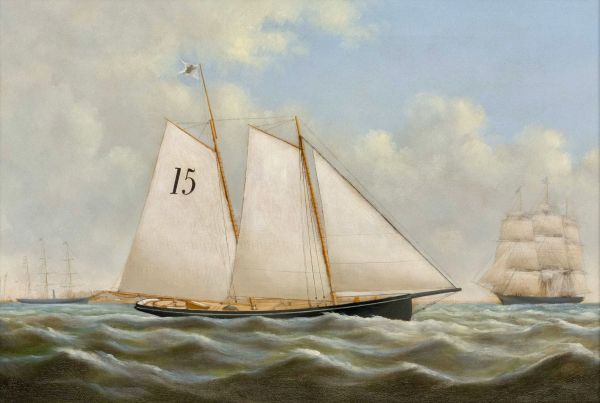
December 26, 1859 At eleven o’clock on a Monday morning, the pilot boat John D. Jones, No. 15, was launched into a section of the East River within the ward of Williamsburg in the city of Brooklyn (now one of New York City’s five boroughs). J.D. Jones had been built by J.B & J.D. Van... Continue Reading →

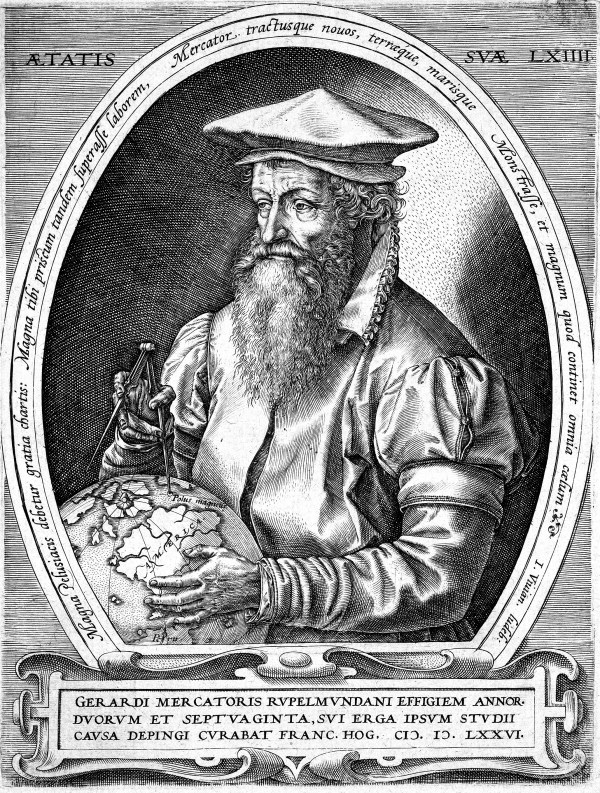
December 2, 1594 Gerardus Mercator, whose influential work in cartography included a seminal 1569 map that depicted sailing courses worldwide, died at the age of 82 in the city of Duisburg in present-day Germany. He had been born on March 5, 1512, in the town of Rupelmonde in what is now Belgium. Mercator established a niche... Continue Reading →

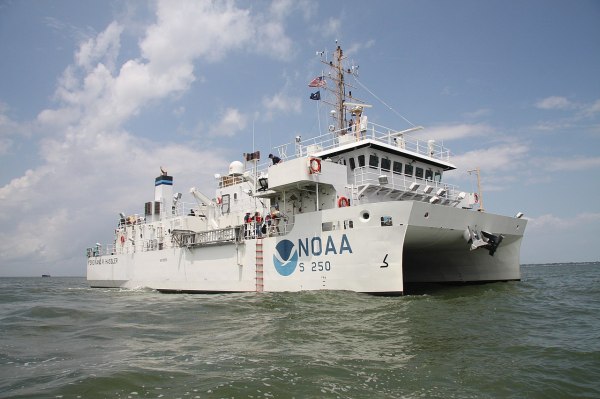
September 19, 2009 A state-of-the-art coastal mapping vessel built for the National Oceanic and Atmospheric Administration (NOAA) was launched into the East Pascagoula River at the shipyard of VT Halter Marine, Inc., in the vicinity of Moss Point, Mississippi. This vessel was formally commissioned as NOAAS Ferdinand R. Hassler (S 250) on June 8, 2012.... Continue Reading →

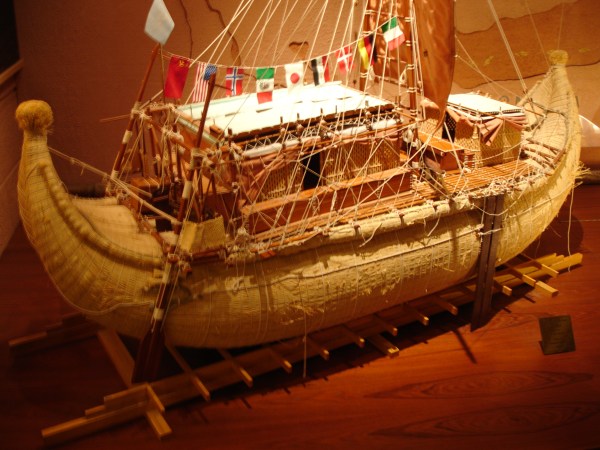
May 17, 1970 Norwegian maritime adventurer Thor Heyerdahl set sail from Morocco in a boat made out of papyrus for a voyage across the Atlantic Ocean. The 55-year-old Heyerdahl had achieved fame in 1947 when he sailed 5,000 miles (8,000 kilometers) in a raft known as the “Kon-Tiki” from Peru to French Polynesia to show that... Continue Reading →

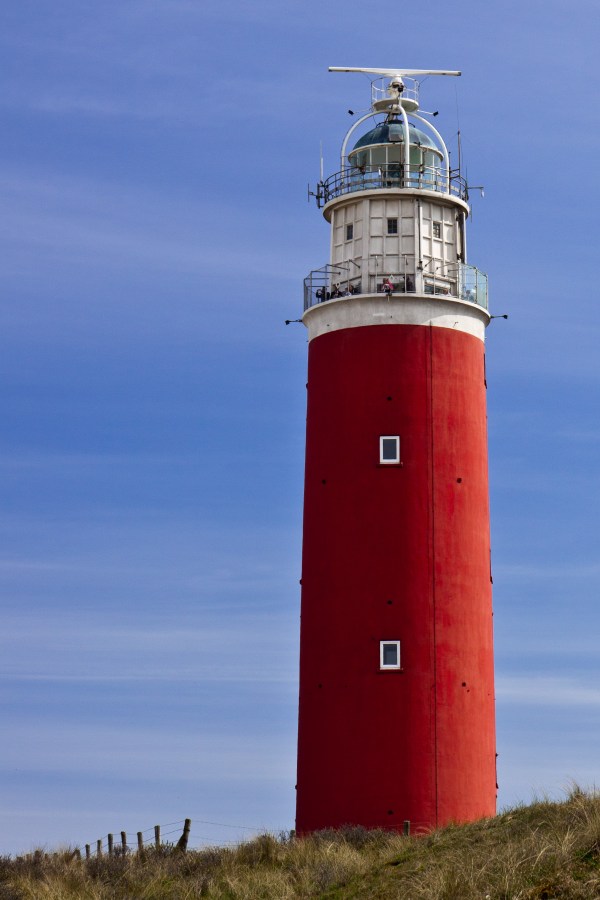
July 26, 1863 Work began on a lighthouse on the island of Texel, part of the Netherlands’ province of North Holland. Texel is the largest island of the West Frisian Islands, which are within the Wadden Sea (an intertidal zone in the southeastern section of the North Sea). The lighthouse on Texel is specifically located... Continue Reading →

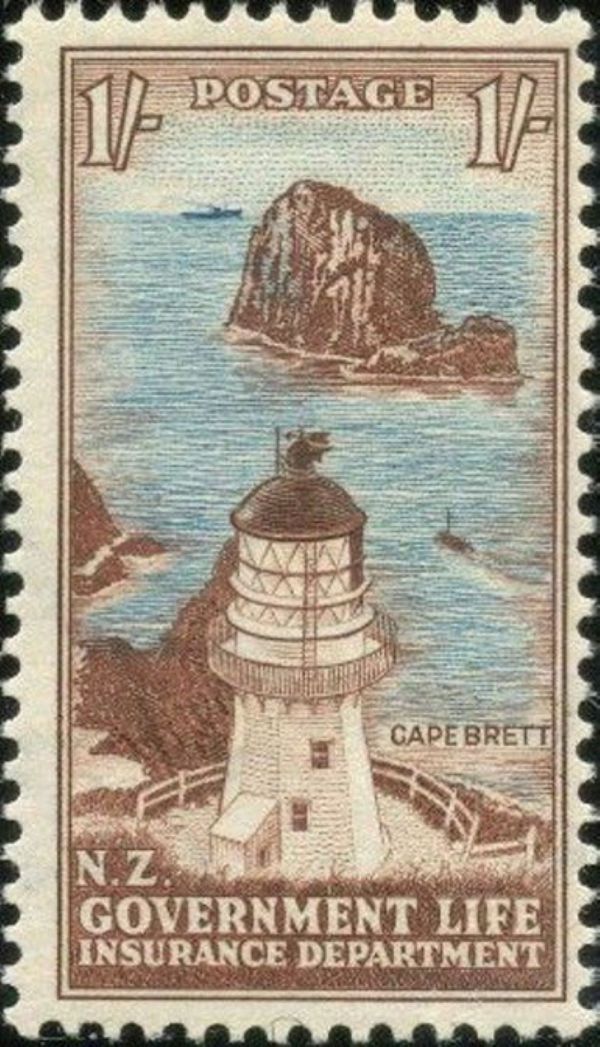
February 21, 1910 On New Zealand’s North Island, a lighthouse on the tip of Cape Brett Peninsula was first lit. The first keeper for the Cape Brett Lighthouse was Robert McIver; Frances Earnest Lee served as this navigational aid’s first assistant keeper. Cape Brett Lighthouse was built to help better guide and protect the numerous... Continue Reading →

July 7, 1860 The Swallowtail Lighthouse first went into service on Grand Manan Island, a section of the Bay of Fundy that is part of the present-day Canadian province of New Brunswick. At the time of that lighthouse’s debut, New Brunswick was a British colony; in 1867, it became one of the four original provinces... Continue Reading →

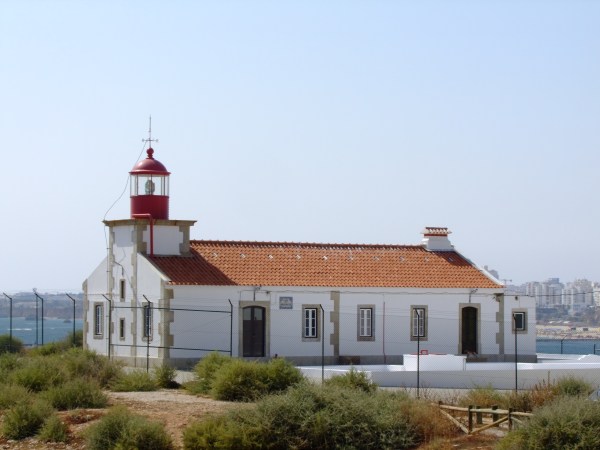
June 21, 1884 In Portugal, an engineer named Ricardo Peyroteu formally proposed the construction of a lighthouse to help safely guide vessels in the country’s southernmost region. Peyroteu submitted this proposal to the General Directorate of Posts, Telegraphs and Lighthouses of the Kingdom of Portugal. (At the time, Portugal was a constitutional monarchy.) Construction on... Continue Reading →

Nainoa Thompson is widely regarded as the first Native Hawaiian in modern times to adopt and successfully use traditional Polynesian voyaging methods for open-ocean sailing. Those methods rely on natural reference points (e.g., the Sun, stars, sea swells, the movements of fish and birds) instead of today’s conventional wayfinding instruments for navigation. (A sub-region of... Continue Reading →

In January 1999, President Bill Clinton nominated Evelyn Juanita Fields as the new director of the National Oceanic and Atmospheric Administration Commissioned Officer Corps (also known as the NOAA Corps) and NOAA’s Office of Marine and Aviation Operations (OMAO). The primary mission of the NOAA Corps entails assessing oceanic conditions, supporting major waterways, and monitoring... Continue Reading →

Create a website or blog at WordPress.com

Up ↑