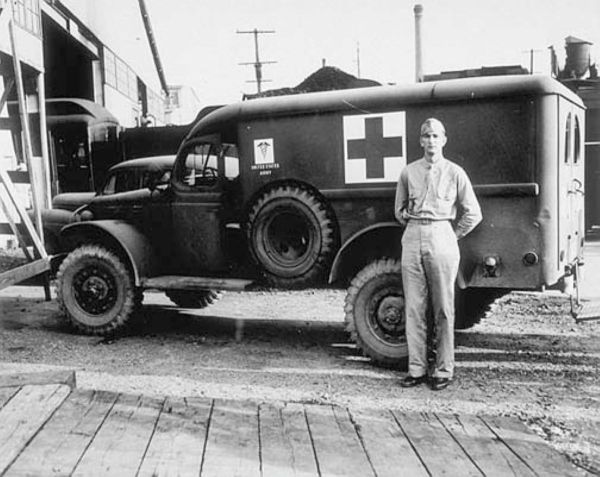
1942: A Pivotal Milestone for Dodge Trucks Used Extensively as Ambulances During World War II October 23, 1942 Nearly eleven months after the United States entered World War II, the U.S. Army adopted a standardized design for the trucks that served as the main field ambulances for the Allies for the remainder of that global... Continue Reading →

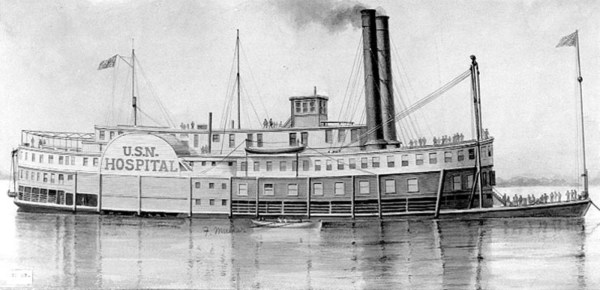
September 30, 1862 Nearly a year-and-a-half after the start of the American Civil War, the Union Navy (the name for the U.S. Navy during that military conflict) acquired the side-wheel steamer Red Rover as part of its fleet. Red Rover became this military branch’s first vessel used specifically as a hospital ship. Red Rover had... Continue Reading →

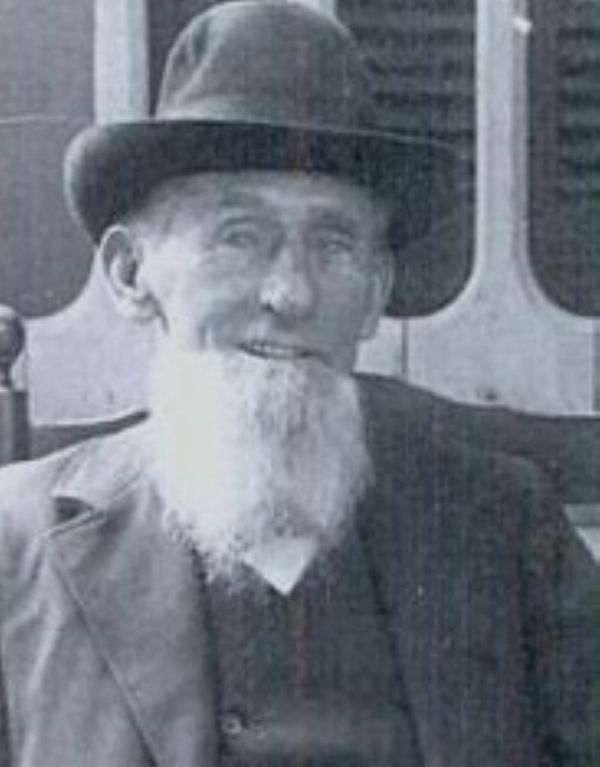
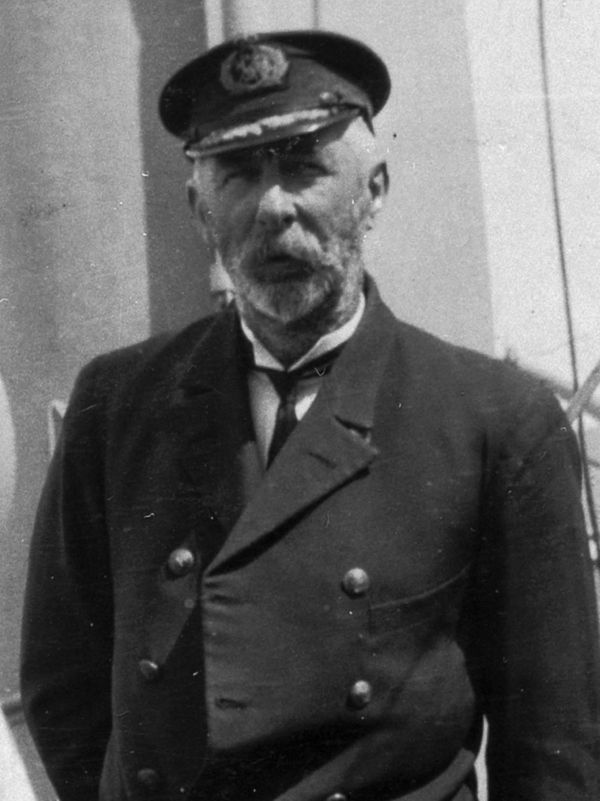
September 18, 1929 John Peter Bollons, an acclaimed New Zealand naturalist and ethnographer who also achieved fame as a marine captain, died in Wellington at the age of 66. “HIS LAST VOYAGE, A MARINER’S PASSING,” announced that day’s edition of the Wellington-based Evening Post. Bollons was born on November 10, 1862, in the London-area civil... Continue Reading →

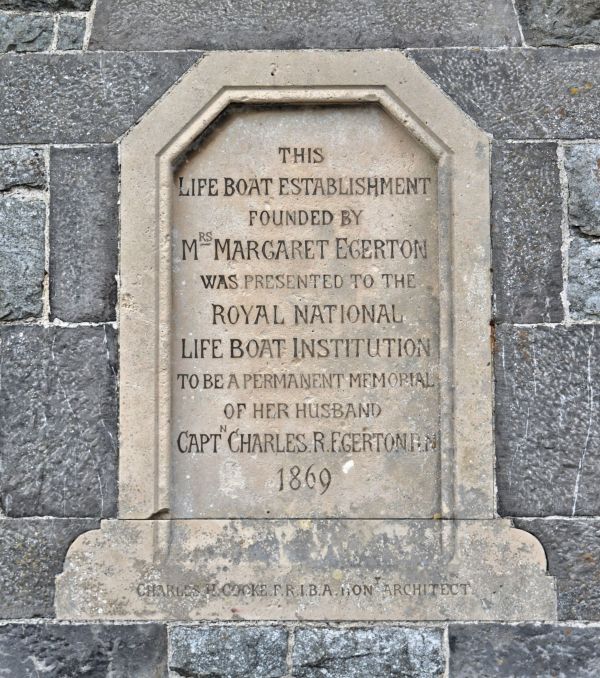
September 11, 1869 In southwestern Wales, a lifeboat station in the village of Solva first went into service. Solva is on the north shore of the River Solva, which is located on the northern side of St Brides Bay. Solva Lifeboat Station was established by the Royal National Lifeboat Institution (RNLI) following a significant financial... Continue Reading →

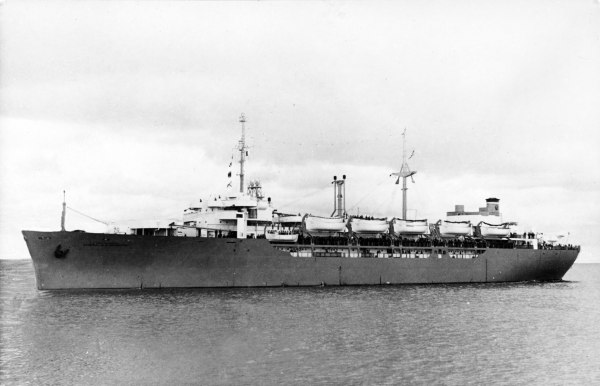
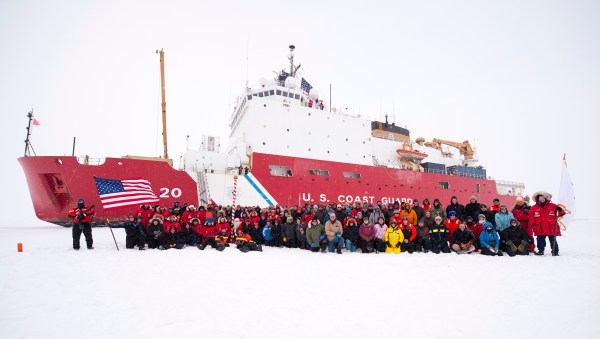
September 5, 2015 The U.S. Coast Guard icebreaker USCGC Healy (WAGB-20) achieved a major transportation milestone when she became the first American surface vessel to reach the North Pole unaccompanied. Healy had been commissioned in 1999. She was named after Michael A. Healy (1839-1904), a career officer with the U.S. Revenue Cutter Service (a predecessor... Continue Reading →

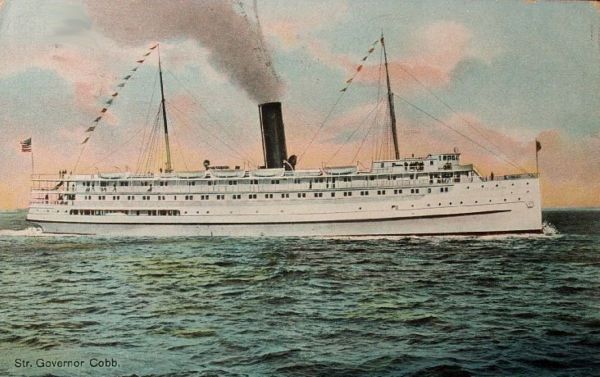
April 21, 1906 The coastal passenger steamship SS Governor Cobb was launched at Roach’s Shipyard in the city of Chester, Pennsylvania. This vessel was the first ship built in the United States to be powered by steam turbines. That turbine technology was provided for the Governor Cobb by the New Jersey-based marine engineering firm W. &... Continue Reading →

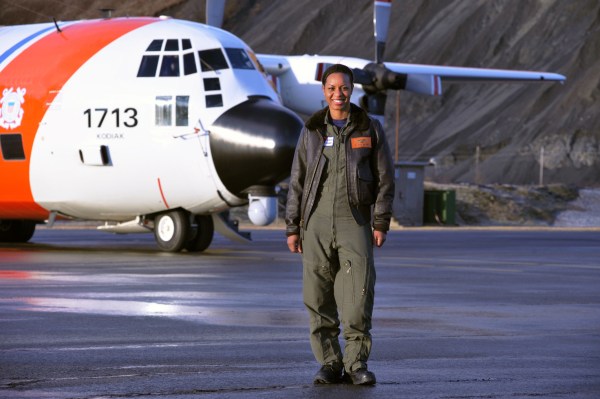
Jeanine Menze made U.S. Coast Guard (USCG) history as that uniformed service’s first black female aviator. She was born in Kingston, Jamaica. She and her family eventually moved to Canada and then relocated to Florida. In 1997, Menze graduated from Miami Killian High School in the Sunshine State’s community of Kendall. Menze subsequently studied at... Continue Reading →

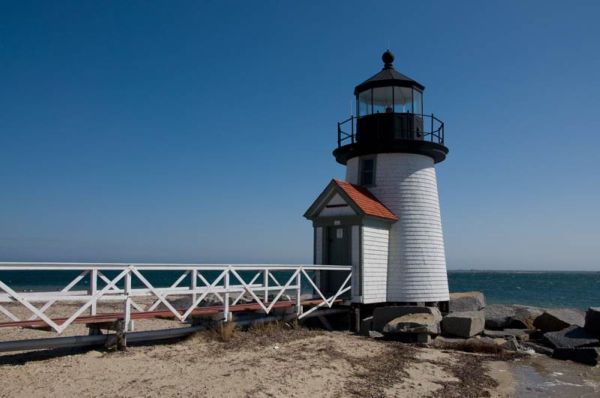
January 31, 1901 In the northern part of the Massachusetts island of Nantucket, operations began for the current version of a lighthouse at Brant Point on the south side of the island’s harbor. (Nantucket is approximately 30 miles [48 kilometers] south of the Bay State’s Cape Code peninsula.) The New York Times provided details about... Continue Reading →

Charles Robinson, who had a longtime career with life-saving stations in his home state of Michigan, was born on May 5, 1874, in the city of Grand Haven on the eastern shore of Lake Michigan and in the west-central section of the Wolverine State’s Lower Peninsula. Robinson was partly of Odawa ancestry. The Odawa --... Continue Reading →

Harold Tantaquidgeon was born on June 18. 1904, in the Mohegan Indian Reservation in southeastern Connecticut’s village of Uncasville. He was the fourth of the seven children of John and Harriet Tantaquidgeon. Harold was a direct descendant of Uncas, a 17th century sachem (chief) of the Mohegans and the person for whom Uncasville was named.... Continue Reading →

Create a website or blog at WordPress.com

Up ↑