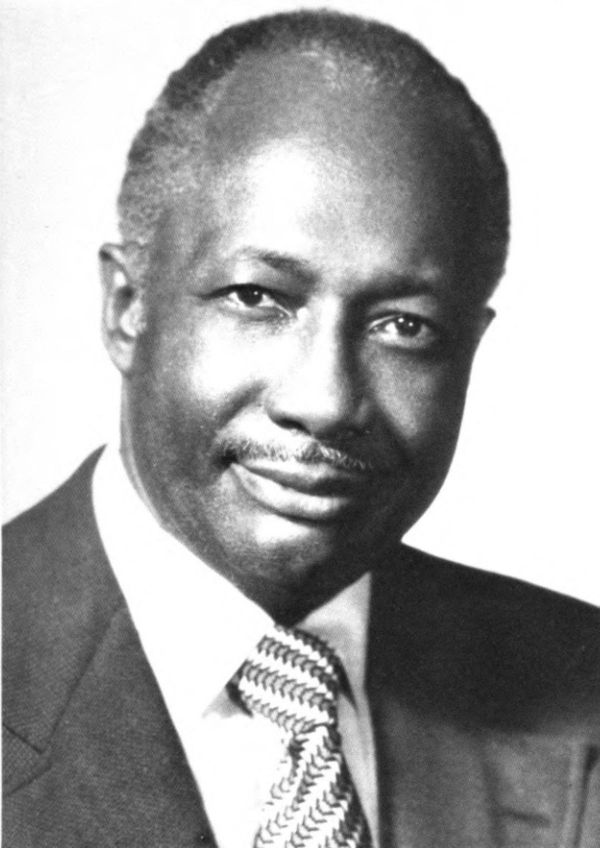
In 1971, Richard H. Austin became the first African American to serve as Michigan’s secretary of state. Austin remained in this position until 1995, being reelected a total of four times. His extensive duties as secretary of state included administrating elections within the Wolverine State; maintaining both the Great Seal of Michigan and records of... Continue Reading →
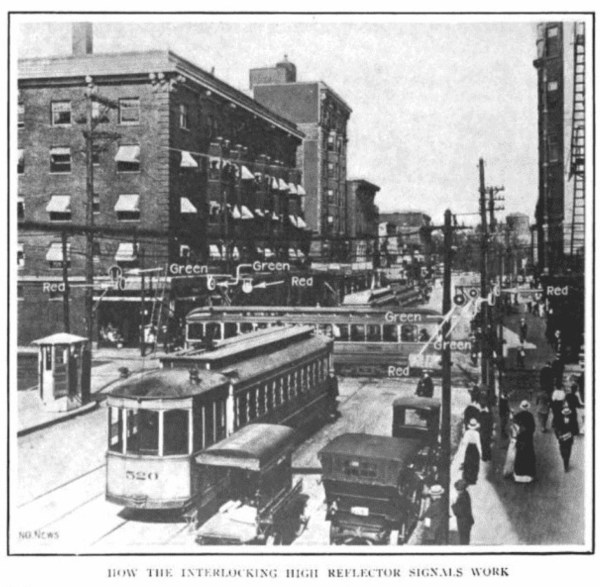
August 5, 1914 What are widely regarded as the world’s first electric traffic lights made their debut at the intersection of Euclid Avenue and East 105th Street in Cleveland, Ohio. Alfred A. Benesch (1879-1973), the city’s director of public safety, placed the lights in operation at 5:00 p.m. Those also on hand for that launch included other... Continue Reading →
May 21, 1901 In response to the steady increase of automobiles on its roads, the state of Connecticut enacted a pioneering speed limits law. This law required that automobiles travel no faster than 12 miles (19.3 kilometers) per hour within cities and 15 miles (24.1 kilometers) per hour on roads elsewhere. The law also required automobile drivers... Continue Reading →
Shailen P. Bhatt was officially sworn in by Pete Buttigieg, U.S. secretary of transportation, on January 13, 2023, to serve as head of the Federal Highway Administration (FHWA). This inaugural ceremony made Bhatt the 21st administrator of FHWA and the first person of Indian descent to step into that leadership position. The previous month, Bhatt... Continue Reading →
May 2, 1906 Thomas F. Airis, who would become director of the District of Columbia’s Department of Highways and Traffic (a predecessor of the present-day District Department of Transportation) was born in the town of Eau Claire, Wisconsin. He earned his degree in, civil engineering from the University of Wisconsin. In 1929, Airis joined the... Continue Reading →
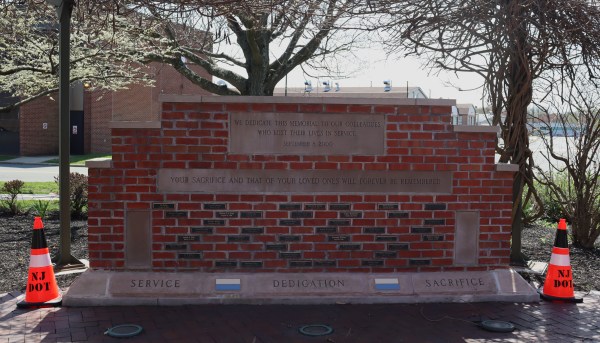
On September 8, 2000, the New Jersey Department of Transportation (NJDOT) Employee Memorial was formally established to honor those state employees who have lost their lives in work zones or elsewhere while performing their duties. These individuals are commemorated each year in an annual remembrance ceremony held at the memorial, which is located on the... Continue Reading →
September 9, 1966 President Lyndon B. Johnson signed into law both the National Traffic and Motor Vehicle Safety Act and the Highway Safety Act during a ceremony in the Rose Garden at the White House. Approximately 200 people were on hand for the ceremony, which began at around 1:00 p.m. These attendees included Ralph Nader,... Continue Reading →
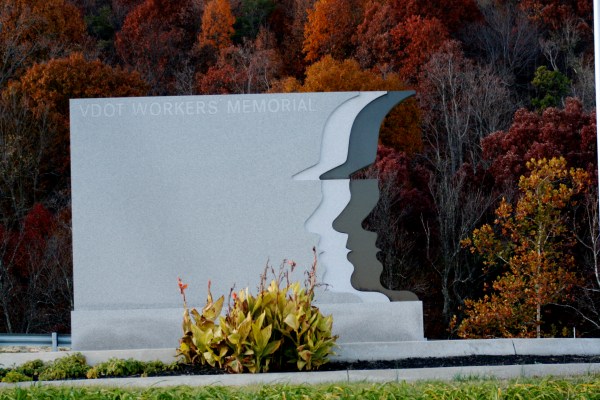
The April 2004 issue of Focus, a newsletter published by the Federal Highway Administration, highlighted various scheduled activities across the country for that year’s National Work Zone Awareness Week (NWZAW). In describing how the Virginia Department of Transportation (VDOT) would use the week to promote the need to drive more safely through highway construction areas,... Continue Reading →
In the time since the first National Work Zone Awareness Week (NWZAW) took place in 2000, kickoff events have been a key component of these annual campaigns highlighting the importance of safe driving in road construction areas. An early and notable example of these events was the one held in April 2001 in Washington, D.C.... Continue Reading →
December 15, 1924 The first national initiative to address the widespread and steadily increasing fatalities and injuries caused by traffic accidents was launched in Washington, D.C. This initiative was a two-day conference. More than 900 representatives of municipal and state police departments, automobile organizations, other stakeholders in the motor-vehicle industry, educational groups, and civic associations... Continue Reading →