May 2, 1906 Thomas F. Airis, who would become director of the District of Columbia’s Department of Highways and Traffic (a predecessor of the present-day District Department of Transportation) was born in the town of Eau Claire, Wisconsin. He earned his degree in, civil engineering from the University of Wisconsin. In 1929, Airis joined the... Continue Reading →

January 5, 1892 A notable milestone for Undine, a sternwheel-driven steamboat operating on rivers in Oregon, took place when she played a pivotal role in rescuing people who had been on board a vessel that sank in the Willamette River. (A major tributary of the Columbia River, the Willamette River is located entirely within the... Continue Reading →

Linda Old Horn-Purdy, a member of the Crow Tribe, established herself as a trailblazer during her time in the U.S. Navy. In 1999, for example, she became one of the first women in that military branch to serve on a combatant ship. Old Horn-Purdy started out life on the Crow Agency reservation in Montana. “I... Continue Reading →

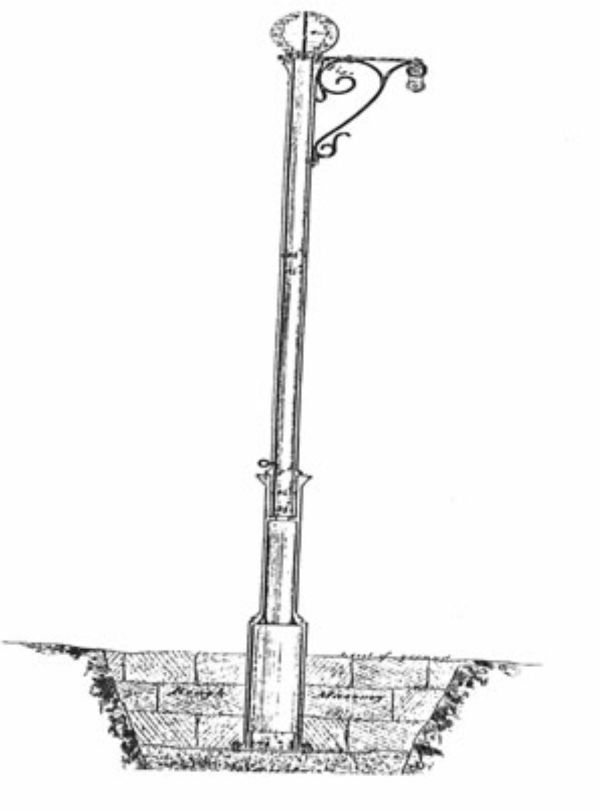
November 7, 1857 On Maryland’s side of the Potomac River, a cast iron light pole was installed as the first navigational aid in an area that is about 20 miles (32.2 kilometers) south of Washington, D.C. This pole was specifically put into place on the grounds of Fort Washington, which ultimately served for many years... Continue Reading →

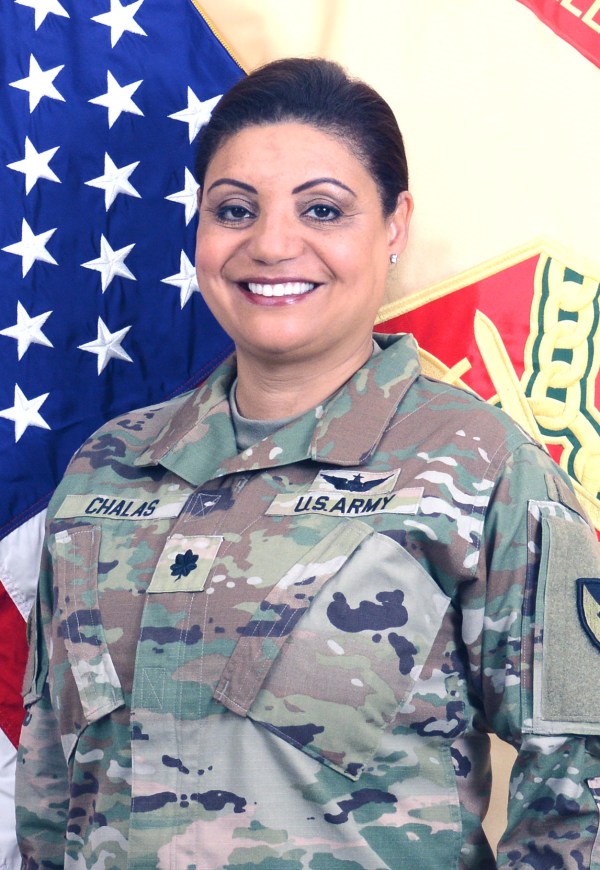
As a soldier in the Massachusetts National Guard (the Bay State’s component of the U.S. Army National Guard), Marisol A. Chalas achieved an aviation milestone by becoming the first Latina in the entire National Guard to pilot a UH-60 Black Hawk helicopter. (That longtime four-blade, twin-engine utility helicopter is manufactured for the Army by the... Continue Reading →

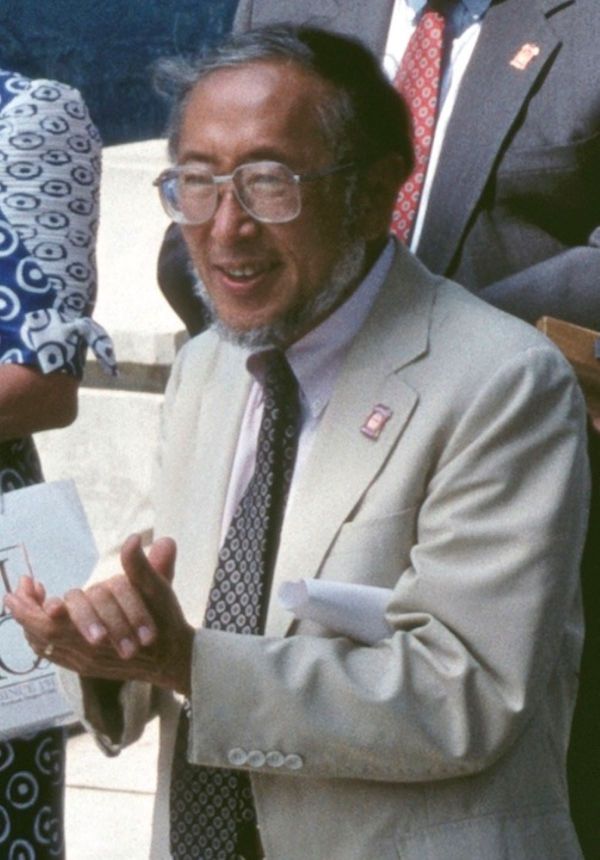
As a longtime businessman and civic leader in the city of Portland in Oregon, Bill Naito became a strong champion of public transportation initiatives in that part of the world. He was born in Portland on September 16, 1925, to Hide and Fukiye Naito, who had immigrated to the United States from Japan in 1912.... Continue Reading →

May 16, 1961 Automotive manufacturer Richard J. Corbitt died in Henderson, North Carolina, at the age of 88. Corbitt had first established residence in that community in 1894, and he entered the transportation business five years later with the launch of the Corbitt Buggy Company. For several years, this company built horse-drawn buggies for hauling agricultural... Continue Reading →

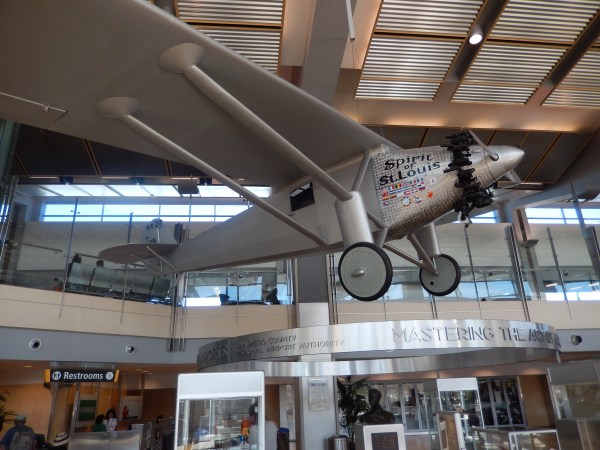
August 16, 1928 San Diego Municipal Airport-Lindbergh Field was dedicated. The construction of this California-based airport, made possible by a bond issue passed by the city government of San Diego, had been inspired in large part by Charles Lindbergh’s historic solo transatlantic flight the previous year.  The site of the new facility was near the airstrip... Continue Reading →

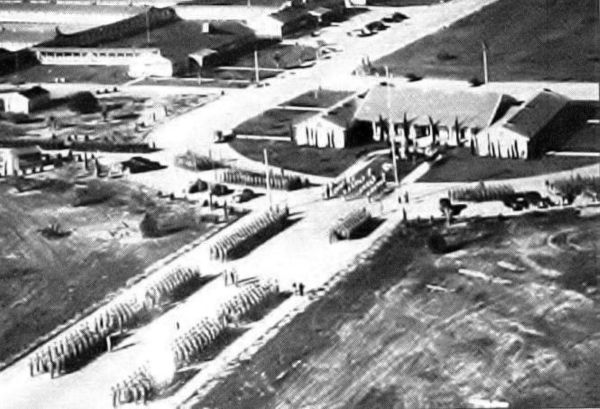
July 21, 1941 The basic infrastructure for a U.S. Army Air Forces (USAAF) airfield in southern California was completed as part of a rapid-construction project. This infrastructure included runways, airplane hangars, and a control tower for the recently designated airfield, which was located nine miles (14.5 kilometers) southeast of the city of Taft. This construction... Continue Reading →

April 19, 1919 The longest non-stop flight up to that time was made by Captain Earl French White of the U.S. Army Air Service (USAAS) when he piloted a plane between Chicago and Long Island. The aircraft used for the flight was a Dayton-Wright DH-4 biplane. White was accompanied on this record-setting journey by a... Continue Reading →

Create a website or blog at WordPress.com

Up ↑