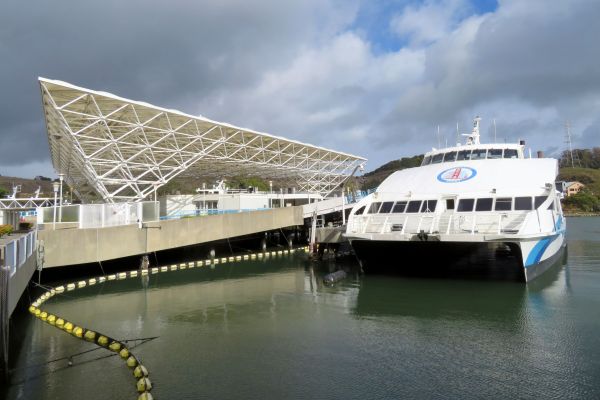
December 11, 1976 On a Saturday morning, a ferry terminal in the city of Larkspur (located north of San Francisco) was opened with considerable fanfare. Larkspur Landing, which is also called Larkspur Ferry Terminal, provides commuter ferry services to downtown San Francisco via the North Bay. This terminal is operated by the Golden Gate Bridge,... Continue Reading →
December 2, 1843 The Alexandria Canal was officially opened to trade and navigation on the Potomac River. (Alexandria was part of the District of Columbia at the time but would be returned to Virginia about two years later.) This canal, which ultimately ran southwards for seven miles (11.3 kilometers) through Alexandria and Virginia’s present-day Arlington... Continue Reading →
November 25, 1823 The Royal Suspension Chain Pier in Brighton on England’s southeastern coast was opened. This pier was the first major one to be built at that seaside resort. Widely known as the Chain Pier, it was designed by civil engineer (and Royal Navy veteran) Samuel Brown (1776-1852). Brown was a trailblazer when it... Continue Reading →
In 1943, James Joseph “Jim” Leftwich became the youngest known enlistee in the U.S. Coast Guard (USCG). Leftwich, a member of the Chickasaw Nation (a federally recognized tribe), was only 14 at the time. In a 1968 interview with Baltimore Sun reporter Alan Z. Forman, Leftwich addressed how -- despite being younger than the legal... Continue Reading →
October 16, 1888 CGS (Canadian Government Ship) Stanley, which is widely considered to be Canada’s first fully functional icebreaker, was launched at the shipyard of Fairfield Shipbuilding and Engineering Limited (Fairfields) in the burgh of Govan (now part of Glasgow) in Scotland. This steamship was named after Frederick Arthur Stanley (1841-1908), 16h Earl of Derby,... Continue Reading →
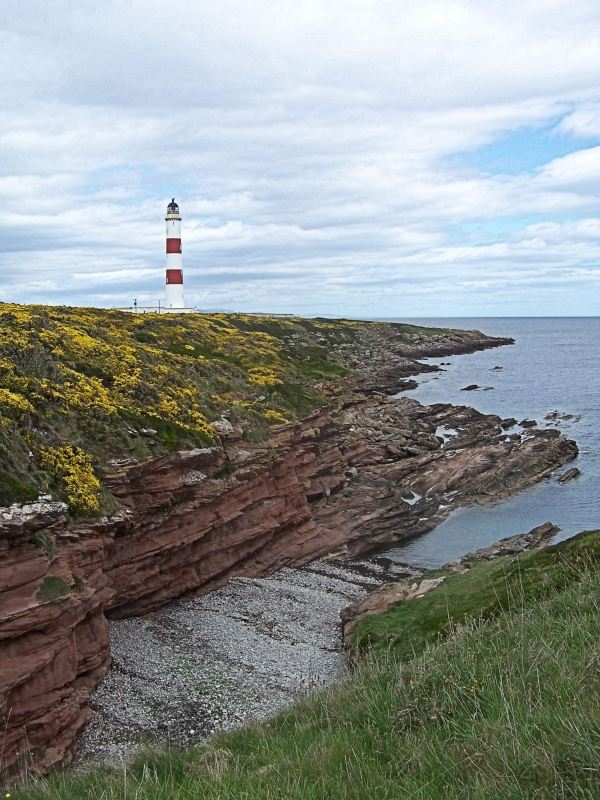
October 2, 1902 Operations began for a lighthouse in England’s ceremonial county of East Sussex. This lighthouse is located in the part of the English Channel that is below the cliffs of the headland known as Beachy Head. It was built to replace the Belle Tout Lighthouse, which had been in service since 1834 and... Continue Reading →
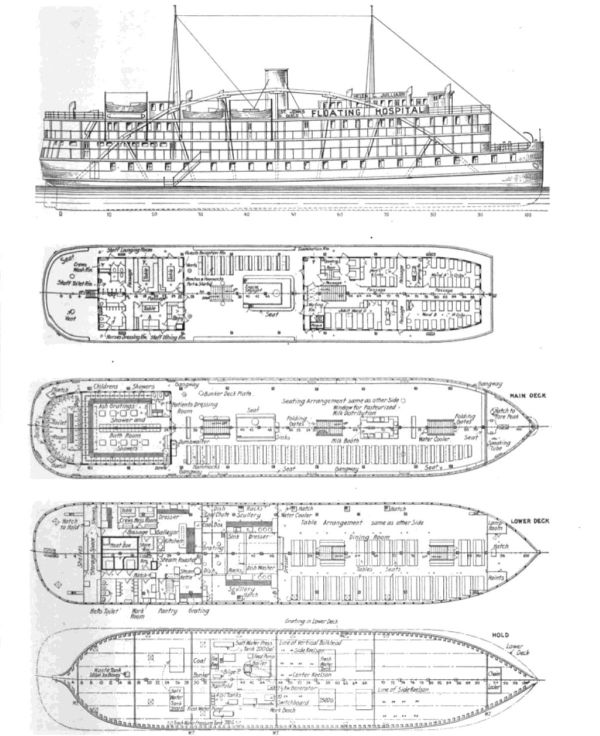
September 30, 1862 Nearly a year-and-a-half after the start of the American Civil War, the Union Navy (the name for the U.S. Navy during that military conflict) acquired the side-wheel steamer Red Rover as part of its fleet. Red Rover became this military branch’s first vessel used specifically as a hospital ship. Red Rover had... Continue Reading →
September 25, 1845 Construction began on a lighthouse in the port city of Calais in northern France. This lighthouse was built as a navigational aid for vessels traveling through the Strait of Dover, a narrow but heavily used passage of water that separates France from England and marks the boundary between the English Channel and... Continue Reading →
September 18, 1929 John Peter Bollons, an acclaimed New Zealand naturalist and ethnographer who also achieved fame as a marine captain, died in Wellington at the age of 66. “HIS LAST VOYAGE, A MARINER’S PASSING,” announced that day’s edition of the Wellington-based Evening Post. Bollons was born on November 10, 1862, in the London-area civil... Continue Reading →
September 11, 1869 In southwestern Wales, a lifeboat station in the village of Solva first went into service. Solva is on the north shore of the River Solva, which is located on the northern side of St Brides Bay. Solva Lifeboat Station was established by the Royal National Lifeboat Institution (RNLI) following a significant financial... Continue Reading →