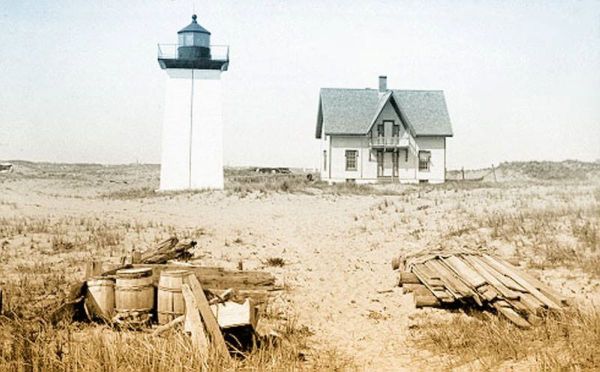
November 20, 1872 In Massachusetts, Wood End Light in Provincetown on Cape Cod first went into service. The 39-foot (12-meter)-tall brick lighthouse, which serves as a navigational aid for vessels approaching Provincetown Harbor, is specifically situated near the southernmost extremity of a curving section of land known as the Provincetown Spit. There had long been... Continue Reading →
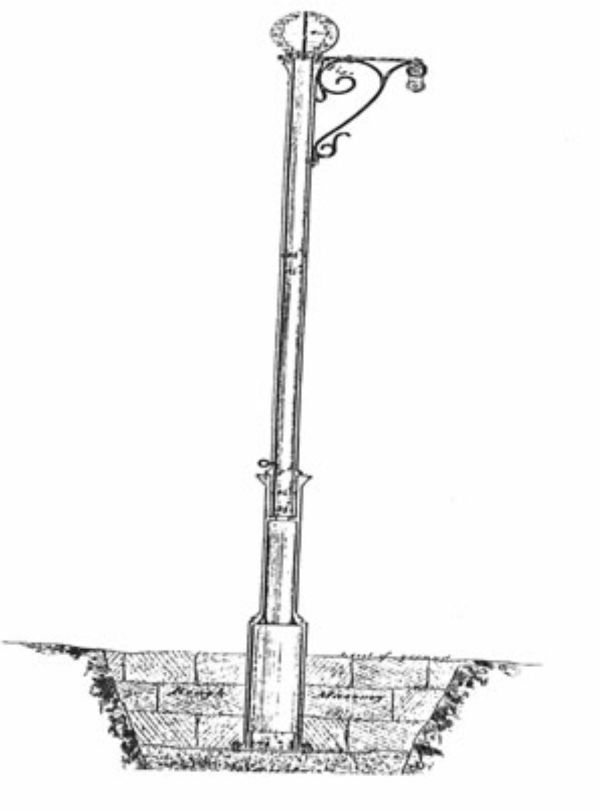
November 7, 1857 On Maryland’s side of the Potomac River, a cast iron light pole was installed as the first navigational aid in an area that is about 20 miles (32.2 kilometers) south of Washington, D.C. This pole was specifically put into place on the grounds of Fort Washington, which ultimately served for many years... Continue Reading →
October 25, 1892 A lighthouse built at the northern tip of Michigan’s Lower Peninsula and along the Straits of Mackinac was first lit. This structure, which is known as Old Mackinac Point Light, is specifically located at the junction of Lake Michigan and Lake Huron -- one of the busiest areas for vessels in the... Continue Reading →
October 18, 1871 On KyĹ«shĹ« -- the third largest of Japan’s five main islands -- a lighthouse built on Cape Sata in the present-day town of MinamiĹŤsumi was first lit. This navigational aid is known as Satamisaki Lighthouse; “Satamisaki,” which is also spelled out as “Sata Misaki,” means “Cape Sata” in English. Work on this... Continue Reading →
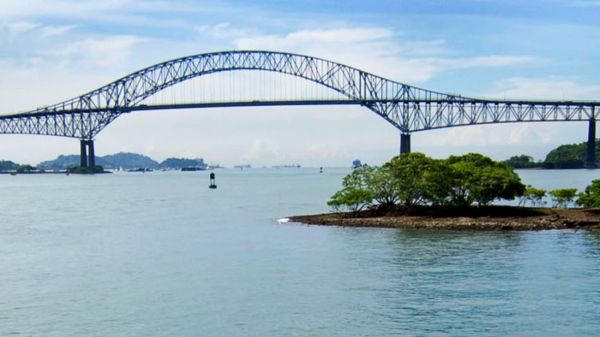
October 12, 1962 The Thatcher Ferry Bridge, which spans the Pacific Ocean entrance to the Panama Canal, was officially opened. This bridge, until the debut of the Centennial Bridge in 2004, was the only non-swinging bridge to reconnect the land masses of North America and South America that had been separated by the canal. The... Continue Reading →
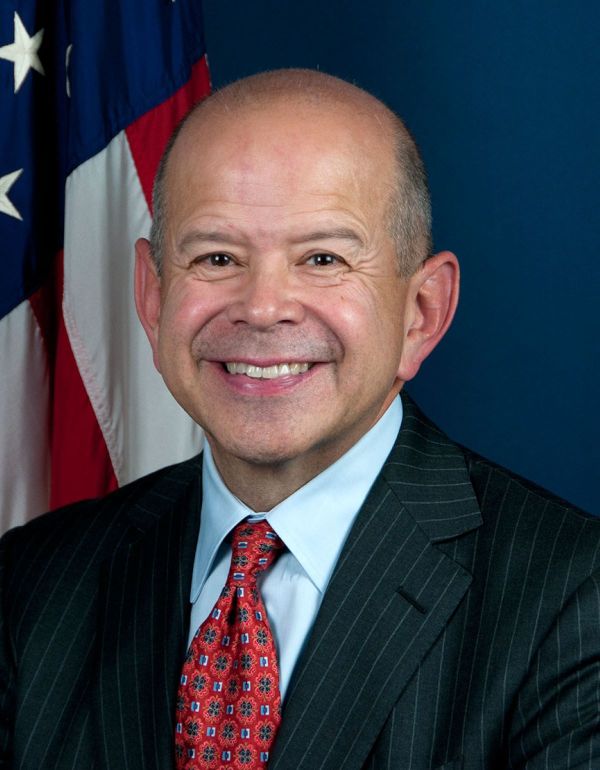
For nearly four decades now, Michael P. Huerta has served in a wide range of high-ranking transportation roles. In a 2011 speech at the National Hispanic Coalition of Federal Aviation Employees Annual Training Conference, Huerta addressed not only those professional achievements but also the prejudicial treatment he sometimes encountered early on in life as a... Continue Reading →
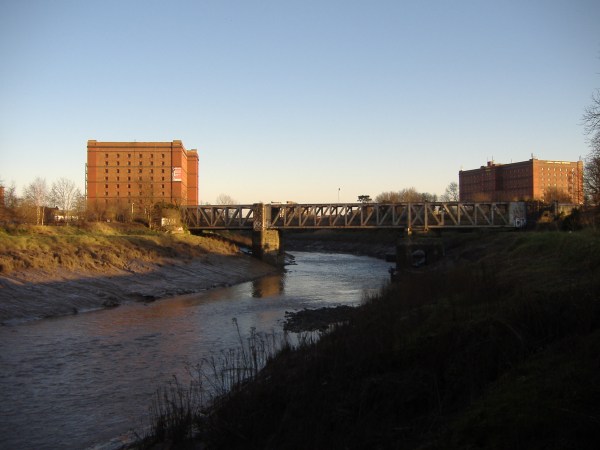
October 3, 1906 In southwestern England, a road-rail swing bridge crossing the River Avon in Bristol -- a city, ceremonial county, and unitary authority -- first went into service. The Ashton Avenue Bridge was built as a key part of the Bristol Harbour Railway, a longtime transportation link for Bristol’s docks and wharves. Alfred John... Continue Reading →
Cipriano Andrade, whose U.S. Navy service spanned four decades, was born on September 1, 1840 in the port city of Tampico in northeastern Mexico. He eventually attended both public and private schools in Philadelphia. In addition, Andrade studied engineering at the Franklin Institute in that city. On July 1, 1861 -- less than three months... Continue Reading →
September 20, 1830 Point Lookout Light in southern Maryland was formally inaugurated. This structure, marking the mouth of the Potomac River, is located at the southernmost tip of the state’s western shore of the Chesapeake Bay. (The origins of the name “Point Lookout” can be traced to the War of 1812, when that area was... Continue Reading →
September 18, 1896 Edward Orpen Moriarty, a civil engineer who had undertaken a wide range of public works projects across the globe, died in the community of Southsea within the city and unitary authority of Portsmouth in southeastern England. He was 71. Moriarty was born on October 11, 1824, in County Kerry in southwestern Ireland.... Continue Reading →