March 22, 1937 USCGC Chelan, a U.S. Coast Guard (USCG) cutter under the command of Captain Lyndon Spencer, was among the vessels to respond to distress calls from the Norwegian steamship SS Bjerkli in the North Atlantic. Bjerkli, stranded 660 nautical miles (1,220 kilometers) east of Boston, was being pounded by an 80-mile (128.8-kilometer) gale.... Continue Reading →

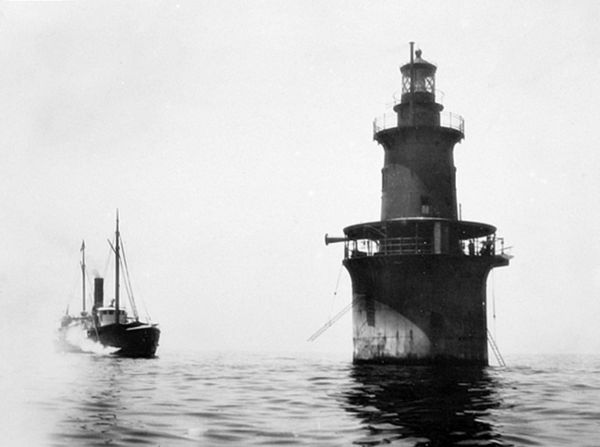
March 15, 1906 A caisson lighthouse in the Gulf of Mexico was lit for the first time. (Each caisson lighthouse has a superstructure resting on a concrete or metal caisson in order to better withstand potentially severe weather conditions.) This addition to American lighthouses off the Gulf Coast of the United States was specifically installed... Continue Reading →

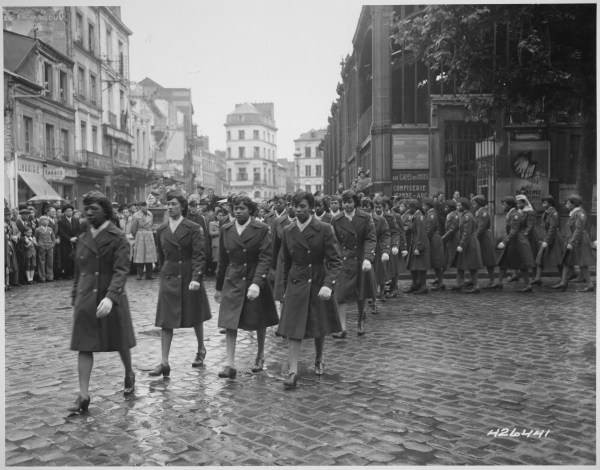
As World War II continued to rage in the European Theater, the first and largest contingent of the 6888th Central Postal Directory Battalion completed an eventful transatlantic voyage when the ship transporting them arrived in Glasgow, Scotland, on February 12, 1945. The 6888th -- nicknamed the “Six Triple Eight” -- was one of the small number... Continue Reading →

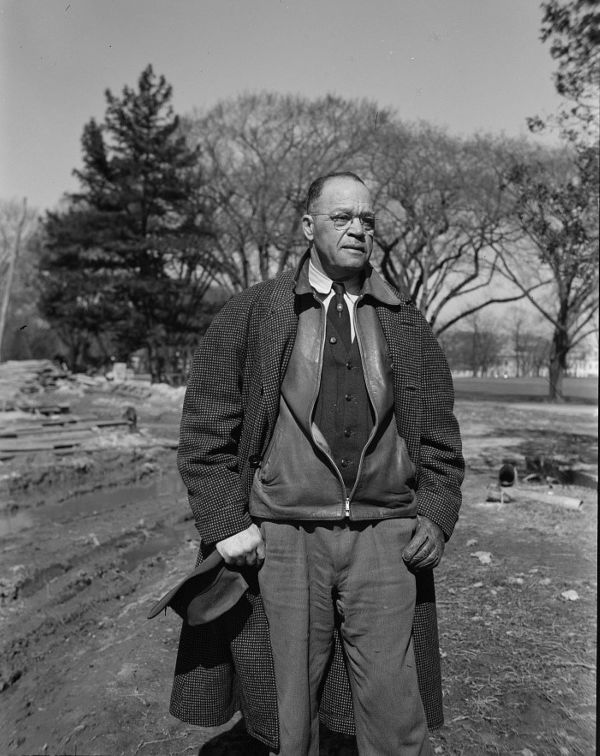
During his long engineering career, Archibald Alphonso “Archie” Alexander achieved widespread acclaim for the bridges and other transportation infrastructure that he helped create across the United States. Alexander was born on May 14, 1888, in Ottumwa, Iowa. He was the oldest of the nine children of Price and Mary Alexander, and they were all part... Continue Reading →

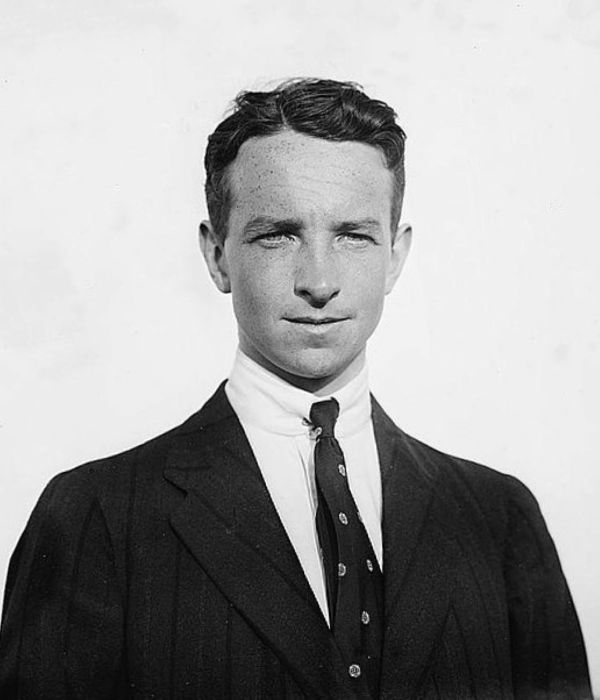
January 27, 1989 Aviation pioneer Thomas Sopwith died at his mansion near the city of Winchester in southern England. He was 101. “The Genius of Flight is Dead,” announced a headline in the London-based Evening Standard.  Sopwith was born on January 18, 1888, in the Royal Borough of Kensington (now part of the Royal Borough of Kensington and Chelsea) in... Continue Reading →

January 10, 1912 In Australia, the first test was performed on a new tram line built in the port city of Geelong in the state of Victoria. There had been proposals to build such a transit service in Geelong as far back as 1888, and construction on the city’s tram system by the Melbourne Electric... Continue Reading →

January 3, 1942 Just a little less than a month after the United States entered World War II on the side of the Allies, a yacht was acquired by the U.S. Navy from William F. Ladd for use in that global conflict. (Ladd had been adjutant general of Connecticut between 1930 and 1939 and would... Continue Reading →

December 28, 1894 In the town of Cromer on England’s eastern coast, an 18-year-old local resident named Henry Blogg first saw action at sea as a member of the crew of RNLB (Royal National Lifeboat) Benjamin Bond Cabbell II. Blogg had actually joined that crew nearly a year earlier, but it was that holiday-season mission... Continue Reading →

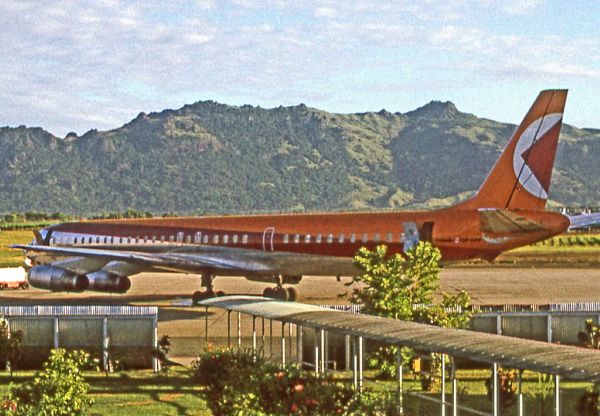
December 19, 1946 In the South Pacific, an airfield on the island of Viti Levu in what was then the British colony of Fiji was handed over by the U.S. military to civilian control under the auspices of the New Zealand government. (New Zealand had likewise been a British colony until gaining semi-independent status as... Continue Reading →

December 15, 1874 In southern California’s Los Angeles area, Point Fermin Light on the west side of the entrance to San Pedro Bay had its inaugural lighting. This structure had been designed by architect and civil engineer Paul J. Pelz, who was serving the U.S. Lighthouse Board at the time as its chief draftsman.  Point Fermin... Continue Reading →

Create a website or blog at WordPress.com

Up ↑