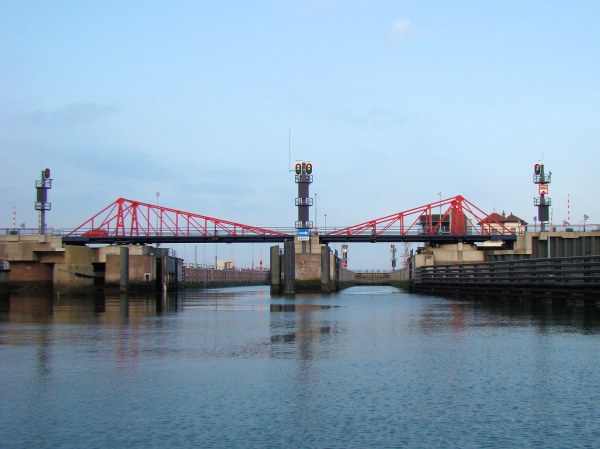
November 12, 2014 In the Republic of Indonesia, a newly established commuter rail line in the Surabaya metropolitan area of the country’s province of East Java first went into service. (Surabaya is second only to Jakarta, the capital of Indonesia, as that country’s largest city.) The introduction of the commuter service known as KA Jenggala... Continue Reading →
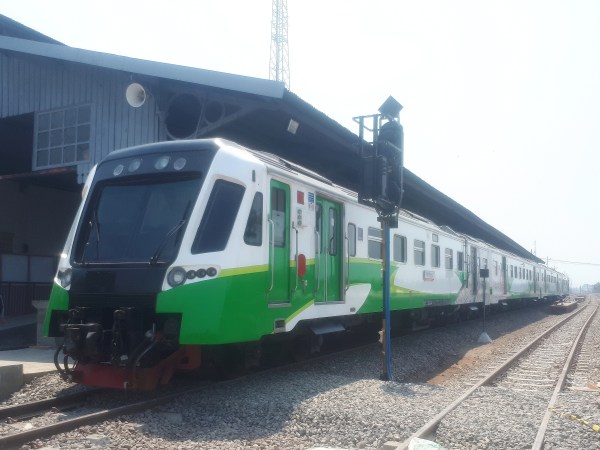
November 11, 1935 U.S. Army Air Corps Captains Albert W. Stevens and Orvil A. Anderson, traveling in the high-altitude helium balloon Explorer II, established a record altitude of 72,395 feet (22,066 meters) for manned balloons. This airborne journey took place in the skies above South Dakota. “Successful Flight into Stratosphere,” read the headline for an... Continue Reading →
Approximately 12,000 Native Americans served in the U.S. military during World War I. These servicemen, according to records of the Bureau of Indian Affairs, included more than 2,000 who were in the U.S. Navy. One of those Navy sailors was Joseph Lewey (sometimes spelled as Lewy), a member of the Passamaquoddy Tribe in Maine. He... Continue Reading →
November 9, 1967 The Poplar Street Bridge, which spans the Mississippi River and connects St. Louis, Missouri, with East St. Louis, Illinois, was officially opened to traffic. Missouri Highway News magazine reported at that time, “Clean of line but strong of sinew, the Bridge is a masterful blending of beauty and function.” This 2,164-foot (660-meter)-long structure, which... Continue Reading →
November 8, 1881 Aviation pioneer and spaceflight theorist Robert Esnault-Pelterie was born in Paris, France. With a strong background in engineering, he made major contributions to the origins of heavier-than-air flight in Europe during the first decade of the 20th century. In 1903, Esnault-Pelterie invented the aileron -- a movable airfoil that could be installed at the... Continue Reading →
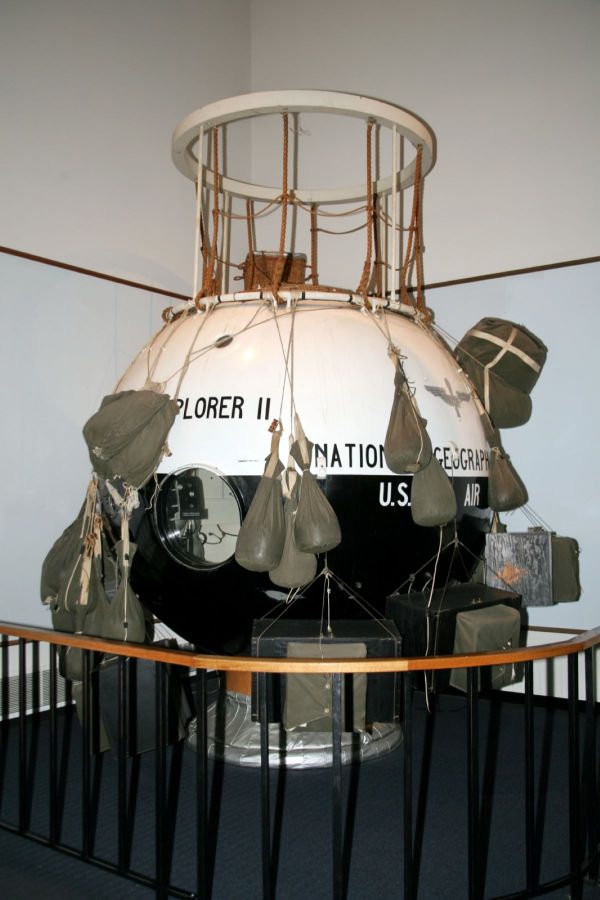
November 5, 2018 The first fully integrated multimodal terminal in the Philippines was opened in the City of Parañaque in the country’s National Capital Region. The National Capital Region (also known as Metro Manila) encompasses 16 cities – including Parañaque and the country’s capital of Manila – on Luzon, the largest and most populous of... Continue Reading →
November 4, 1895 At a time when bicycling had reached unprecedented levels of popularity throughout the United States, a facility for devotees of that transportation mode was opened in the vicinity of Richmond, Virginia. The official dedication of the Lakeside Wheel Club, a one-story structure located approximately five miles (8.1 kilometers) north of Virginia’s state... Continue Reading →
November 3, 1986 In the Canadian province of Quebec, Côte-Vertu station in Montreal’s borough of Saint-Laurent first went into service as part of the underground rapid transit system known as the Montreal Metro. At the time of its opening, this station replaced Du Collège station as the western terminus for the Montreal Metro’s Orange Line.... Continue Reading →
A member of the Diné (Navajo) tribe, Aaron Yazzie was born in 1986 in Tuba City, Arizona. This town is part of the Navajo Nation, a Native American territory covering about 27,413 square miles (70,999.3 square kilometers) altogether in sections of northeastern Arizona; southeastern Utah; and northwestern New Mexico. Yazzie grew up in the city... Continue Reading →
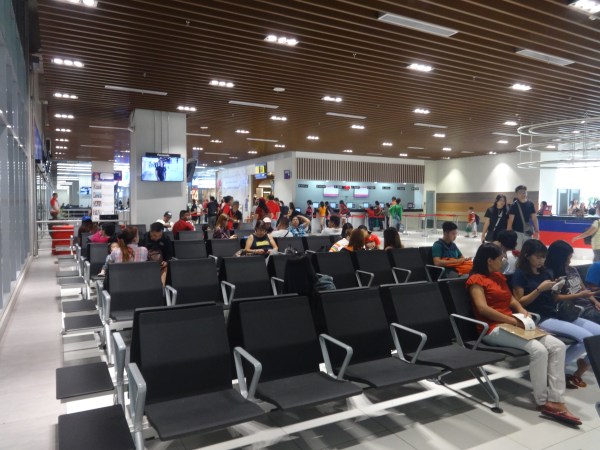
November 1, 1876 In the Netherlands, the North Sea Canal was officially opened by the nation’s monarch King William III. The Dutch waterway, which extends from the Netherlands’ capital of Amsterdam to the North Sea at the city of IJmuiden, was built to allow seafaring vessels to more easily reach the Port of Amsterdam. The... Continue Reading →