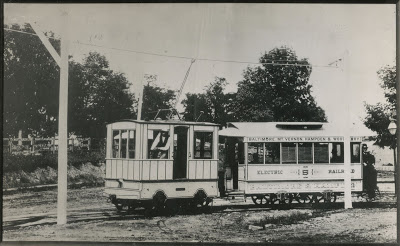
The first commercial electric railway began service in Baltimore, Maryland. Replacing the mule-drawn cars on the Hampden line, the pioneering system used electricity in a third rail running down the middle of the track to power the cars. English inventor and professor, Leo Daft began work on the railway line in the early 1880s, having... Continue Reading →
American inventor Robert Fulton took his newly-built paddle steamboat out on the Seine River in France for a test run. Unfortunately, the ship sank. Nevertheless, Fulton was not discouraged. He was accustomed to perfecting his designs and inventions in high-profile situations. Born in Pennsylvania in 1765, Fulton grew up in the environs of Philadelphia, and,... Continue Reading →
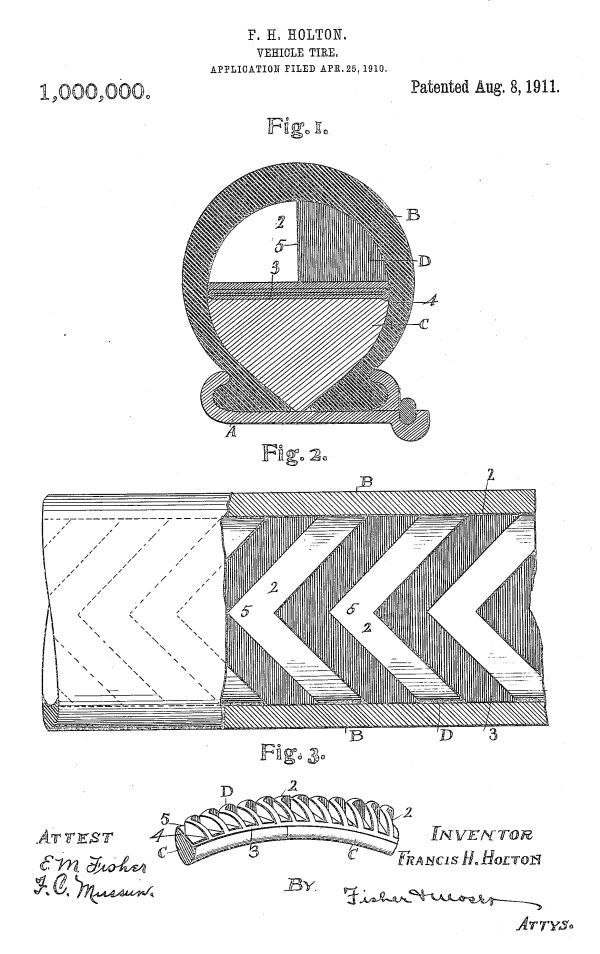
Patent No. 1,000,000 was issued by the US Patent and Trademark Office to Francis H. Holton for the invention of a tubeless vehicle tire. Beyond the celebration of the milestone patent number achieved by Holton, the invention was important for other reasons. It represented the incredible advancement of transportation technology since the first... Continue Reading →
More than 16 months after leaving Abu Dhabi, the experimental solar-powered monoplane Solar Impulse 2 completed its first-of-a-kind circumnavigation of Earth by returning to the capital city of the United Arab Emirates. The innovative aircraft had been one of two built as part of a privately financed aviation project in Switzerland. The Swiss citizens leading this... Continue Reading →
A new airline, Windward Islands Airway (Winair), began operations in Sint Maarten in the northeast Caribbean. At the time, Sint Maarten – constituting most of the southern portion of the island of Saint Martin – was one of five Dutch island territories in the region that were collectively known as the Netherlands Antilles; Sint Maarten’s... Continue Reading →
The SS Savannah became the first steamship to cross the Atlantic Ocean. The ship was built in 1818 by the New York shipbuilding firm of Fickett & Crockett. During its construction, Captain Moses Rogers asked the Savannah-based shipping company, Scarborough & Isaacs, to convert it to a steamship with the goal of providing the world's... Continue Reading →
Henry Berliner, a Washington D.C. native, son of an inventor, and a technical genius in his own right demonstrated a prototype helicopter to the U.S. Navy's Bureau of Aeronautics in College Park, Maryland. Berliner was the sixth son of Emile Berliner, and after a brief stint as an aerial photographer with the Army Air Service,... Continue Reading →
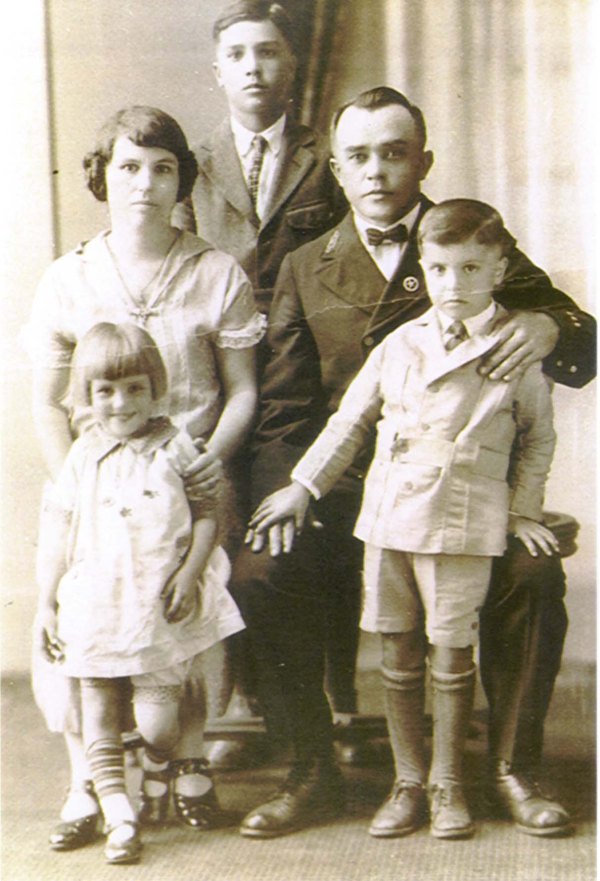
Manuel Ferreira and his family in 1926. Photo courtesy of Lighthouse Digest, via Coast Guard Compass, Official Blog of the U.S. Coast Guard. During most of the first half of the 20th century, Manuel Ferreira served as a lighthouse keeper in the then-U.S. territory of Hawaii. Ferreira’s dedication and achievements in this role earned him... Continue Reading →
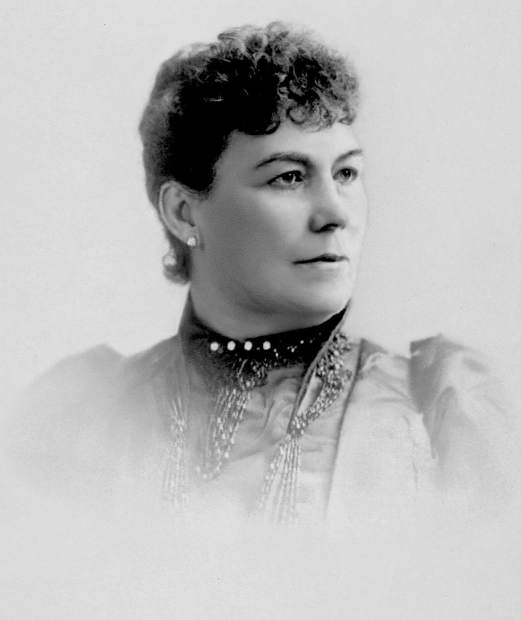
Sarah Clark Kidder (c. 1839-1933) was the first woman in the world to run a railroad. Her husband John Flint Kidder, whom she married in 1870, became president of the California-based Nevada County Narrow Gauge Railroad (NCNGRR) in 1884. After he died in 1901, Sarah – who now found herself in control of three-fourths of... Continue Reading →
Kathleen “Kate” Moore devoted most of her long life serving at the Connecticut-based Black Rock Harbor Light during an era in which lighthouse duties in the United States were generally handled by men only. Her father Stephen Moore became the keeper at the lighthouse, located on Fayerweather Island (just south of Bridgeport), in 1817. Kate,... Continue Reading →