June 2, 1917 A little less than two months after the United States entered World War I on the side of the Allied Powers, the high-speed yacht Marold was commissioned in Boston for service in the U.S. Navy. This vessel had been built by the Ohio-based Matthews Boat Company in 1914 for engineer and businessman... Continue Reading →
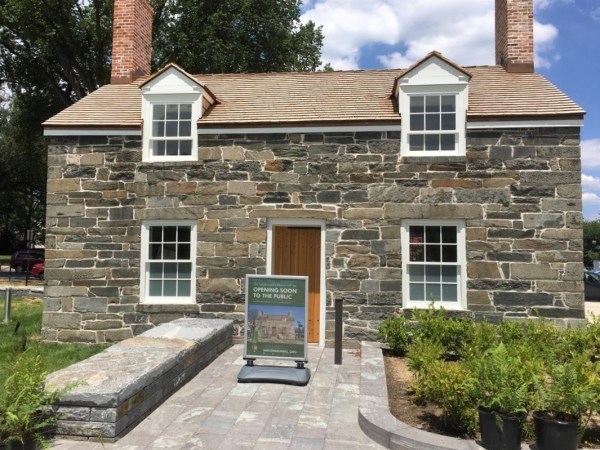
May 2, 1810 A groundbreaking ceremony was held in southeast Washington, D.C., for a new canal. Those attending this event included James Madison (1751-1836), who served as the fourth U.S. president from 1809 to 1817. The building of the Washington City Canal reflected the widespread enthusiasm during that era for waterways that would help facilitate... Continue Reading →
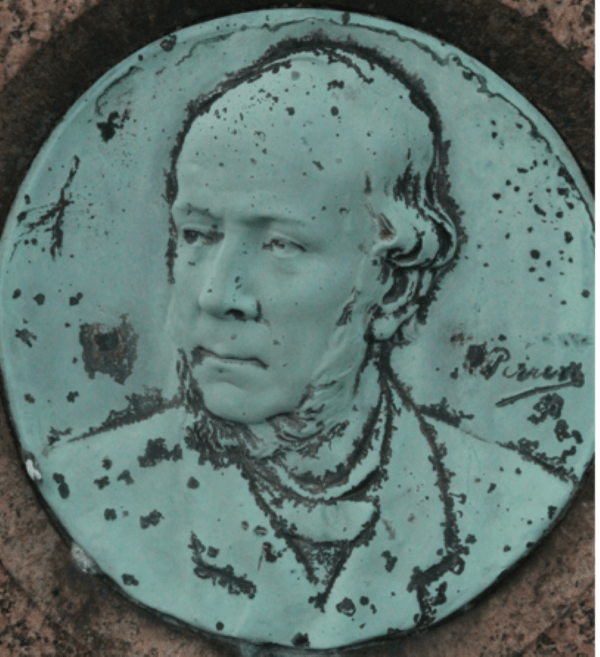
March 5, 1890 Alan Brebner, a Scottish civil engineer who left a considerable legacy when it came to the development of lighthouses, died in Edinburgh at the age of 63. “He had a ready and retentive memory, and was expert in methods of calculation,” noted his obituary in the London-based monthly magazine The Engineer.... Continue Reading →
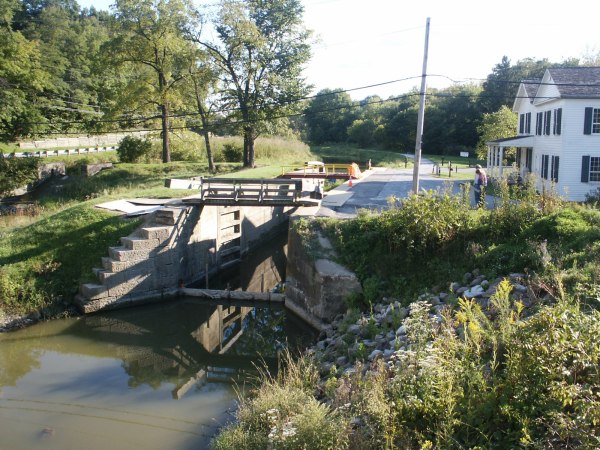
February 4, 1825 The Ohio state legislature voted to approve construction of the Ohio & Erie Canal, a waterway that would ultimately span 308 miles (496 kilometers) and connect Lake Erie at what was originally the village of Cleveland with the Ohio River at Portsmouth in the south-central region of the Buckeye State. The legislature actually... Continue Reading →
May 2, 1906 Thomas F. Airis, who would become director of the District of Columbia’s Department of Highways and Traffic (a predecessor of the present-day District Department of Transportation) was born in the town of Eau Claire, Wisconsin. He earned his degree in, civil engineering from the University of Wisconsin. In 1929, Airis joined the... Continue Reading →
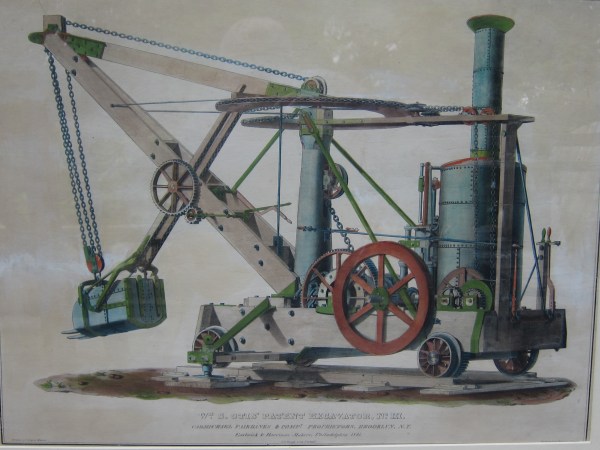
February 24, 1839 Civil engineer William Smith Otis of Philadelphia was issued U.S. patent number 1,089 for the steam shovel, which was classified in that patent as a “Crane-Excavator for Excavating and Removing Earth.” As designed by Otis, this large steam-powered machine -- when mounted on wheeled devices such as carriages or railroad cars --... Continue Reading →
February 7, 1867 William Dargan, widely considered to be one of the most significant Irish engineers of the 19th century, died in Dublin at age of 67. He had been born in 1799 in the town of Carlow in southeastern Ireland. Dargan’s public works career began in earnest in 1819 when he secured a job... Continue Reading →
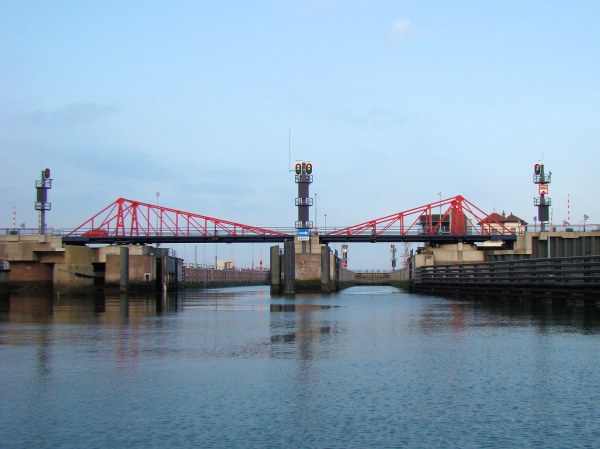
November 1, 1876 In the Netherlands, the North Sea Canal was officially opened by the nation’s monarch King William III. The Dutch waterway, which extends from the Netherlands’ capital of Amsterdam to the North Sea at the city of IJmuiden, was built to allow seafaring vessels to more easily reach the Port of Amsterdam. The... Continue Reading →
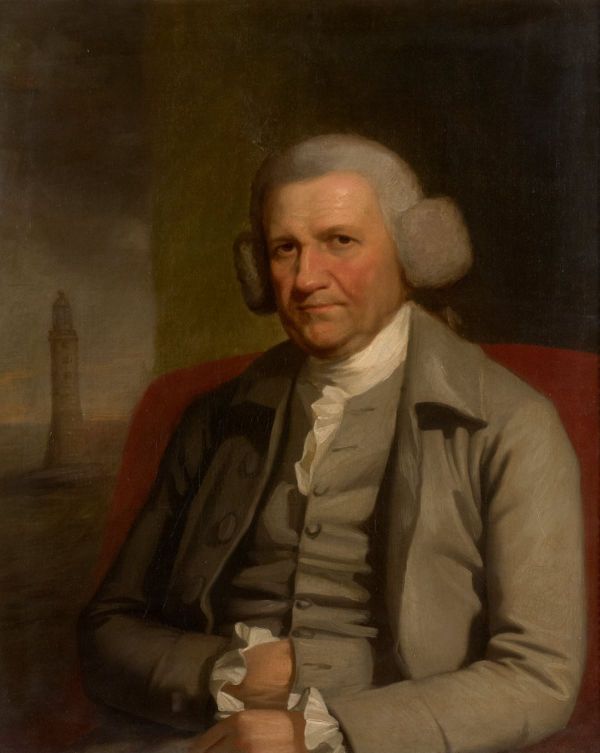
June 8, 1724 Engineer and physicist John Smeaton, who is widely regarded as the “Father of Civil Engineering,” was born in the English civil parish of Austhorpe. During his prolific career, Smeaton designed numerous lighthouses, bridges, canals, and harbors. One of Smeaton’s more notable achievements was a lighthouse that became known as Smeaton’s Tower. This 72-foot... Continue Reading →
May 25, 1878 U.S. Army officer and civil engineer Frederick Mears, whose legacy includes notable large-scale transportation infrastructure projects in various regions of the world, was born in Omaha, Nebraska. Mears enlisted in the Army in 1899. He was assigned the following year to the Philippines, where he handled several engineering assignments. Mears left the Philippines... Continue Reading →