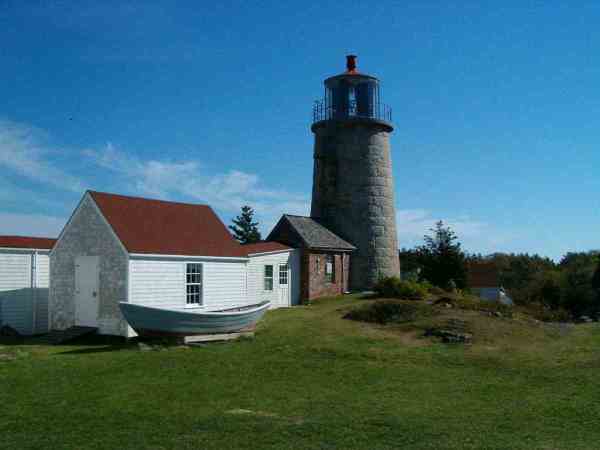
June 24, 1850 A major milestone for a lighthouse in Maine took place when a contract was officially entered into for rebuilding that navigational aid’s tower. This lighthouse is on Monhegan Island, which is located about 12 nautical miles (22 kilometers) off the state’s mainland coast.    The call for proposals to replace Monhegan Island... Continue Reading →

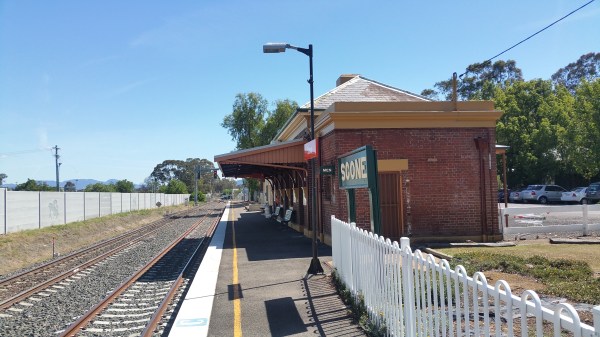
April 17, 1871 A railway station in the town of Scone in the colony (and present-day state) of New South Wales (NSW) was opened. Scone railway station was constructed as part of the NSW-based Great Northern Railway, which is also known today as the Main North Line. The inaugural duties for this station were carried... Continue Reading →

January 22, 1884 Samuel Eckels, who would carve out a longtime and consequential career in the development of highways in the United States, was born in the borough of West Brownsville, Pennsylvania, in the Pittsburgh area. In 1905, he graduated from Washington & Jefferson College in that region of the Keystone State with a bachelor of... Continue Reading →

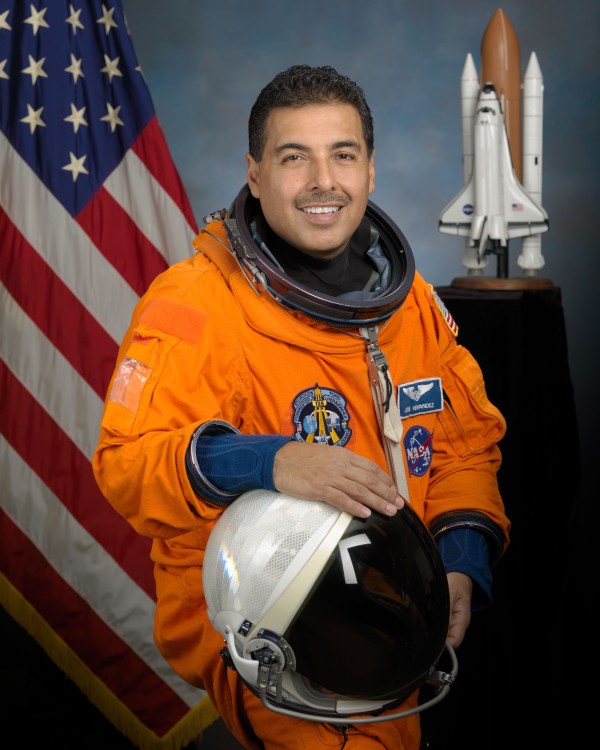
José Moreno Hernández was born on August 7, 1962, in the community of French Camp in California. His family was originally from the municipality of La Piedad in western Mexico’s state of Michoacán. During much of his childhood, as a matter of fact, Hernández and his family routinely spent half the year in the United... Continue Reading →

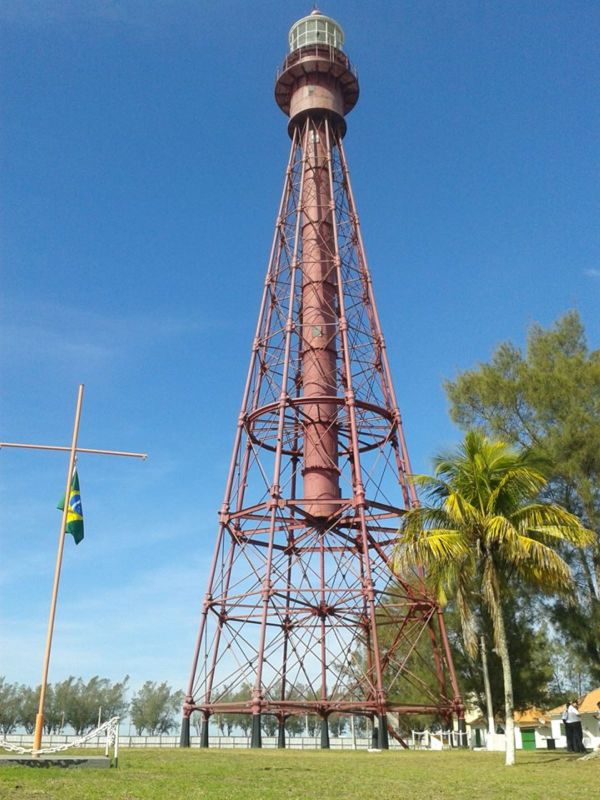
July 29, 1882 São Thomé Lighthouse in the Brazilian municipality of Campos dos Goytacazes in what is now the state of Rio de Janeiro was officially inaugurated. At the time of this lighthouse’s debut, most of the territory comprising the present-day Federative Republic of Brazil was instead part of the Empire of Brazil. São Thomé... Continue Reading →

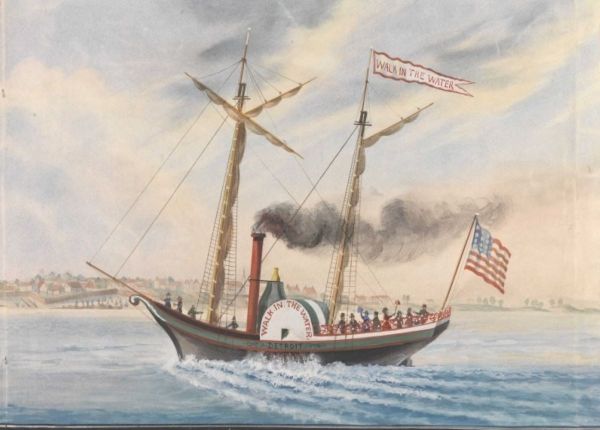
May 28, 1818 A pioneering sidewheel steamboat known as Walk-in-the-Water was launched at Black Rock, New York. (An independent community at that time, Black Rock is now part of Buffalo.) Walk-in-the-Water became the first steam-powered vessel to sail on Lakes Erie, Huron, and Michigan. An engineer named Noah Brown designed Walk-in-the-Water. Robert McQueen was the... Continue Reading →

Cipriano Andrade, whose U.S. Navy service spanned four decades, was born on September 1, 1840 in the port city of Tampico in northeastern Mexico. He eventually attended both public and private schools in Philadelphia. In addition, Andrade studied engineering at the Franklin Institute in that city. On July 1, 1861 -- less than three months... Continue Reading →

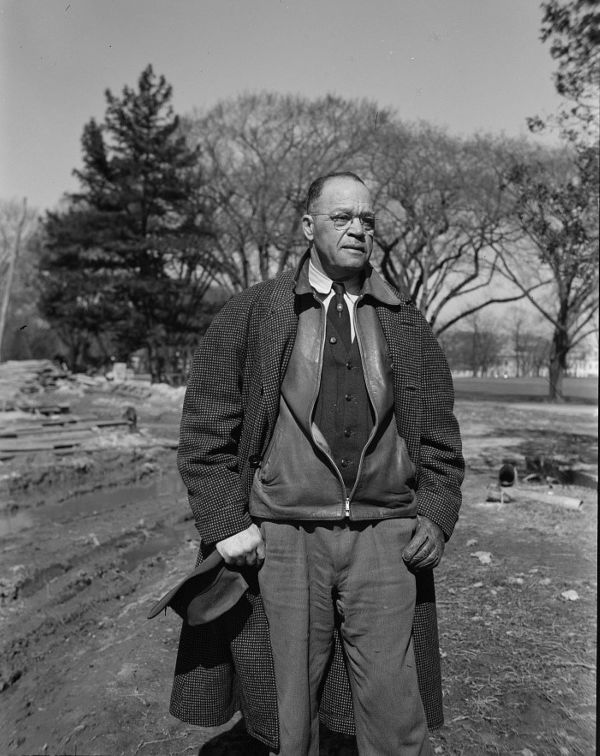
During his long engineering career, Archibald Alphonso “Archie” Alexander achieved widespread acclaim for the bridges and other transportation infrastructure that he helped create across the United States. Alexander was born on May 14, 1888, in Ottumwa, Iowa. He was the oldest of the nine children of Price and Mary Alexander, and they were all part... Continue Reading →

February 7, 1867 William Dargan, widely considered to be one of the most significant Irish engineers of the 19th century, died in Dublin at age of 67. He had been born in 1799 in the town of Carlow in southeastern Ireland. Dargan’s public works career began in earnest in 1819 when he secured a job... Continue Reading →

July 13, 1879 Civil engineer and prestressed concrete pioneer Eugène Freyssinet was born in the commune of Objat in central France. By the time that World War I broke out in 1914, Freyssinet had designed several major bridges in France. A leading example of Freyssinet’s work in those pre-war years was the Pont le Veurdre near... Continue Reading →

Create a website or blog at WordPress.com

Up ↑