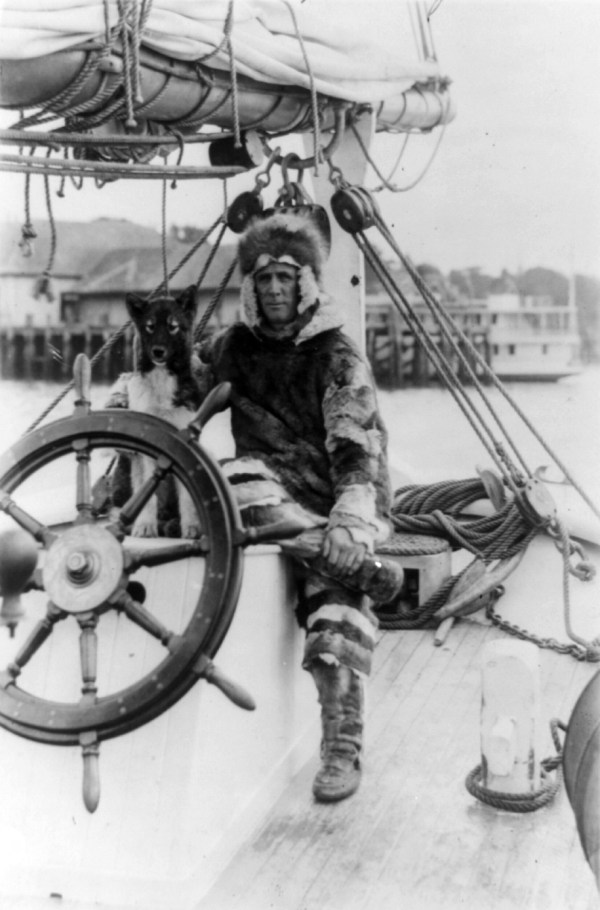
September 7, 1970 Arctic explorer Donald Baxter MacMillan, a lifelong New Englander who made seminal contributions to transportation in the world’s northernmost regions, died at the age of 95 in Provincetown, Massachusetts. In recounting MacMillan’s final years as a resident of that Cape Cod community, the New York Times highlighted his steadfast love for sailing... Continue Reading →
In the midst of World War II, U.S. Navy Commander Gordon Paiʻea Chung-Hoon (1910-1979) took over command of the Fletcher-class destroyer USS Sigsbee in the Pacific Theater. Chung-Hoon, who was born in Honolulu to a Chinese-English-Hawaiian father and a Hawaiian mother, had made history in 1934 as the first Asian American/Pacific Islander graduate of the... Continue Reading →

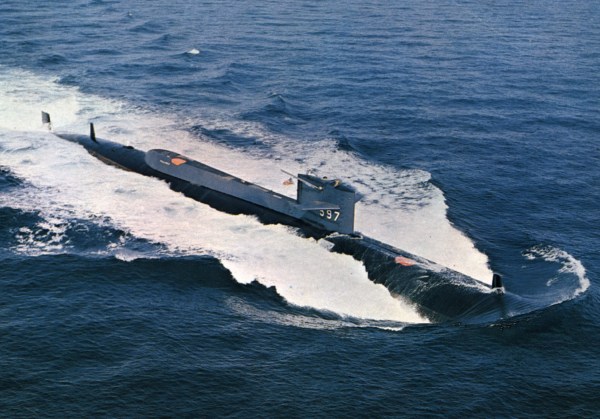
The USS Tullibee, the smallest nuclear-powered attack submarine in the US fleet was launched in Groton, Connecticut. Small, in this case, is relative: Tullibee was 273 feet (83.2m) long and displaced 2300 tons at the surface. In comparison, the other notable nuclear-powered sub of the time, the USS Nautilus, was 320 feet (97.5m) and displaced... Continue Reading →

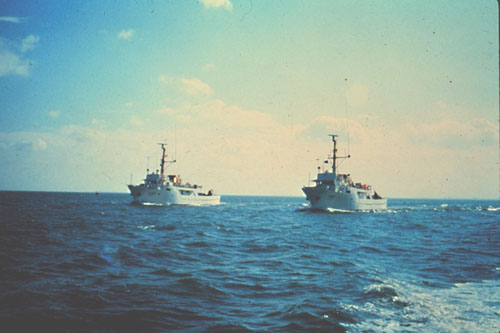
Two new hydrographic survey ships were commissioned into the U.S. Coast and Geodetic Survey (USC&GS). These vessels, USC&GS Rude and USC&GS Heck, were described in the April 1970 issue of the U.S. Navy magazine All Hands as “wire drag ships, the only ones of their kind in the United States, which search out underwater navigational... Continue Reading →

A World War II ship that played an important role in African-American history was decommissioned by the U.S. Navy. The submarine chaser USS PC-1264, which had been launched during the fall of 1943, was one of only two Navy ships during the war to have a predominantly African-American crew. (The other vessel with this distinction... Continue Reading →

Create a website or blog at WordPress.com

Up ↑