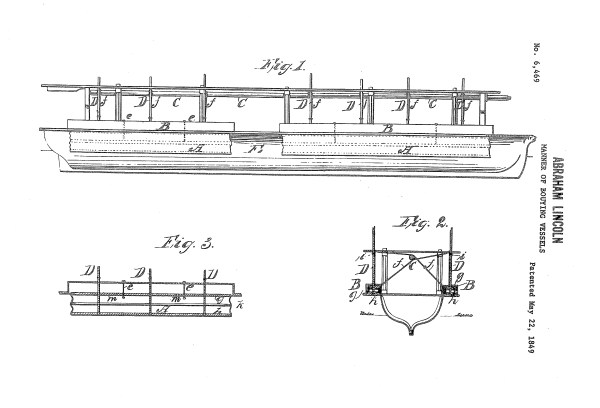
May 22, 1849 Abraham Lincoln, at the time 40 years old and a self-described "prairie lawyer" from Illinois (as well as a recently retired one-term U.S. congressman), was issued a patent for a flotation device for the movement of boats in shallow water. To date, this patent is the only one ever registered to somebody... Continue Reading →
May 17, 1976 The first commuter aerial tramway in North America was officially opened in New York City. This tramway, spanning the East River, serves as a public transit connection between Roosevelt Island and the Upper East Side of Manhattan. (An aerial tramway is a means of overhead transportation in which as many as two... Continue Reading →

The Board of Road Commissioners for Alaska – better known as the Alaska Road Commission (ARC) – was organized by order of U.S. War Secretary (and future president) William Howard Taft to oversee construction of highways in what was then an American territory. The ARC was created in response to a steadily growing demand for adequate... Continue Reading →

A few years before European automotive pioneers such as Karl Benz and Gottlieb Daimler introduced their own versions of the "horseless carriage," a lawyer and inventor from Rochester, New York, named George B. Selden filed the first U.S. patent for an automobile. Selden, who was 32 at the time, submitted a patent application for what... Continue Reading →

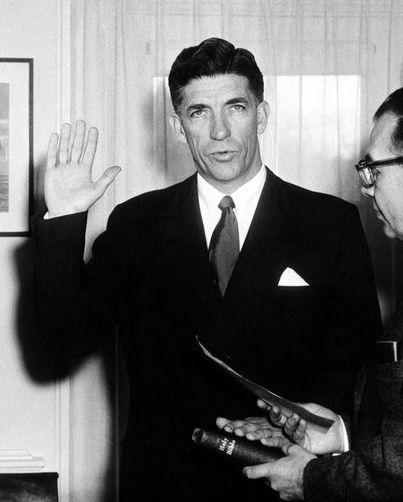
Not long after Najeeb Elias Halaby, Jr., stepped down as administrator of the Federal Aviation Agency (the present-day Federal Aviation Administration), various newspapers carried an Associated Press story about his just-released congressional testimony earlier in the year on a major aviation challenge. “Drunk Flying Among Private Pilots is Serious Problem,” proclaimed the headline in one... Continue Reading →

May 1, 2001 Charles Elachi officially assumed his duties as the eighth director of the Jet Propulsion Laboratory (JPL), a California-based federally funded research and development center and NASA field center. Elachi had been born in the town of Rayak in Lebanon in 1947. Elachi received a bachelor’s degree in physics from Joseph Fourier University... Continue Reading →

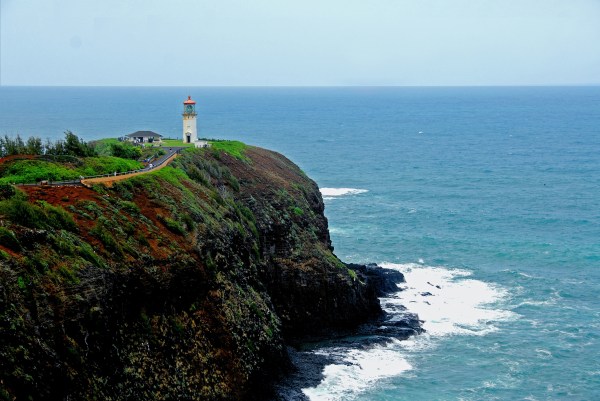
Kilauea Point Lighthouse was dedicated on the island of Kauai, part of the then-Territory of Hawaii. The concrete structure was built to serve as a navigational aid for the ever-increasing traffic of ships in the region. The day-long dedication festivities for the lighthouse attracted a large crowd and featured a luau. The new structure quickly... Continue Reading →

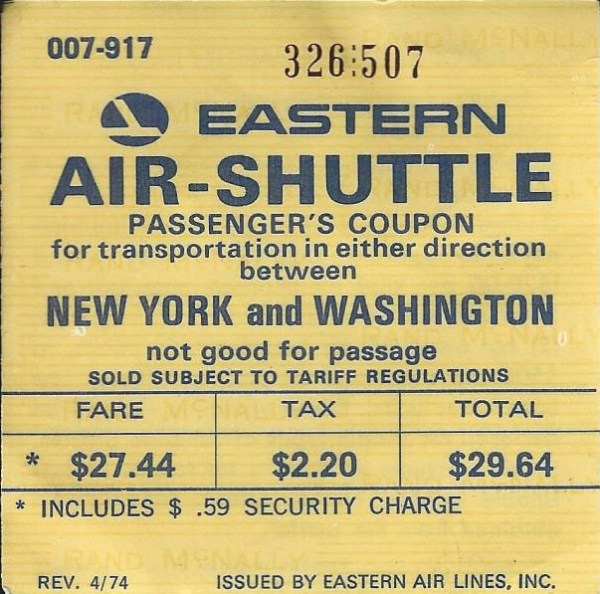
Eastern Airlines began its Eastern Airlines Shuttle service between LaGuardia Airport in New York and Washington, DC, and Boston. Initially, the service provided flights on Lockheed 1049 Super Constellation aircraft every two hours from 8:00 a.m. and 10:00 p.m. However, this soon proved to be inadequate to passenger demand, so the hours were extended to... Continue Reading →

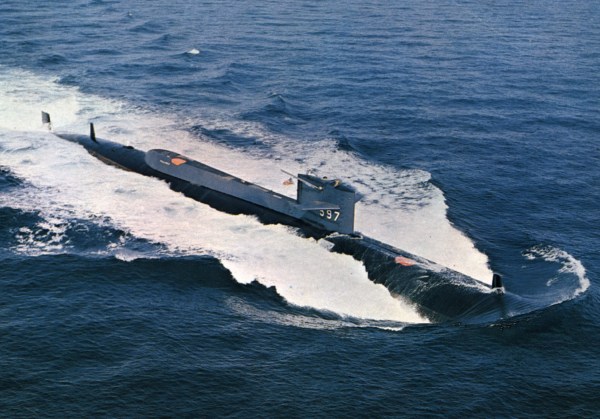
The USS Tullibee, the smallest nuclear-powered attack submarine in the US fleet was launched in Groton, Connecticut. Small, in this case, is relative: Tullibee was 273 feet (83.2m) long and displaced 2300 tons at the surface. In comparison, the other notable nuclear-powered sub of the time, the USS Nautilus, was 320 feet (97.5m) and displaced... Continue Reading →

The first commercially successful container ship took its maiden voyage on a route from New Jersey to Texas. The Ideal X started life as a World War II T-2 oil tanker named Potrero Hills. Built by the Marinship Corporation in the early 1940s as part of its fleet of 93 ships constructed during that time,... Continue Reading →

Create a website or blog at WordPress.com

Up ↑