March 29, 2012 A cable-stayed bridge in Dallas, Texas, was formally opened to vehicular traffic, with a group of motorcyclists being among the first to travel across the new structure. This bridge was named after Margaret Hunt Hill (1915-2007), a longtime Dallas resident and renowned philanthropist. The Margaret Hunt Hill Bridge spans the Trinity River... Continue Reading →
February 20, 1792 President George Washington signed into law the Postal Service Act of 1792. This measure would have far-reaching implications not only for the new country’s mail-delivery services but also its transportation network. The Postal Service Act of 1792, in addition to merely giving the General Post Office a two-year extension (a law passed... Continue Reading →
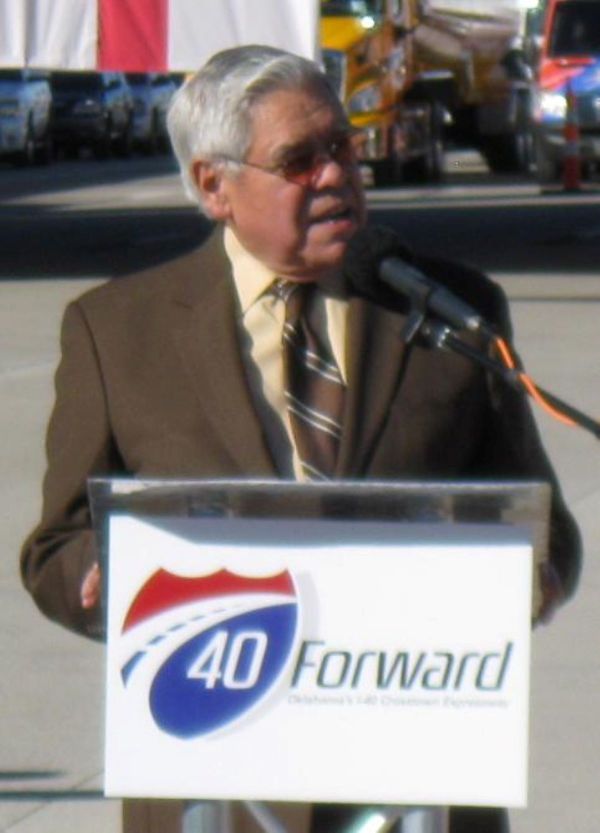
Neal A. McCaleb, whose longtime career in public service has included key leadership roles in transportation, is a member of the Chickasaw Nation (a federally recognized Native American tribe with its headquarters in the city of Ada, Oklahoma). McCaleb was born in 1935 in Oklahoma City. He graduated from Putnam City High School in Warr... Continue Reading →
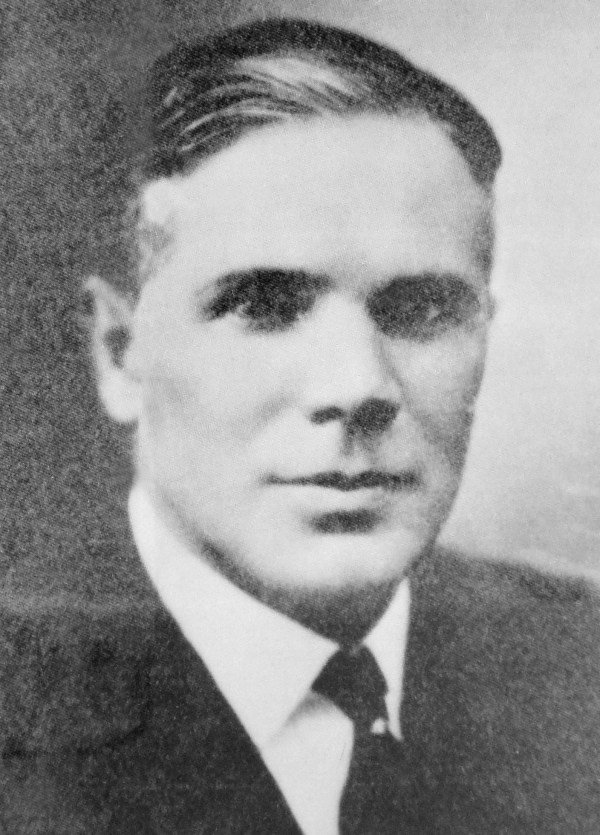
October 28, 1874 Henry Garnett Shirley, who became the first president of AASHO (officially renamed AASHTO in 1973), was born in Jefferson County, West Virginia. He graduated from the Virginia Military Institute with a degree in civil engineering in 1896, and went on to serve as commandant and professor of military science at Horner Military... Continue Reading →
August 3, 1900 The Firestone Tire & Rubber Company was incorporated in Akron, Ohio. Harvey S, Firestone (1868-1938), with only a dozen employees to help him, formally launched a state-of-the-art business for making more durable and efficient tires for horse-drawn wagons and buggies. Within just a few years, the company would shift its focus to... Continue Reading →
February 7, 1867 William Dargan, widely considered to be one of the most significant Irish engineers of the 19th century, died in Dublin at age of 67. He had been born in 1799 in the town of Carlow in southeastern Ireland. Dargan’s public works career began in earnest in 1819 when he secured a job... Continue Reading →
August 24, 1912 President William Howard Taft signed into law the Post Office Appropriations Act for 1913. This measure put into place an experimental federal-aid post road program for the United States. The law specifically provided a total of $500,000 to improve roads intended to be used for mail delivery. In one respect, the Post... Continue Reading →
August 10, 1909 Pioneering bicycle manufacturer and good roads advocate Albert Augustus Pope, who also became involved in producing early automobiles, died at his summer home (known as Lindermere-by-the-Sea) in the town of Cohasset, Massachusetts, at the age of 66. Pope was born in Boston in 1843, and served in the Union Army during the Civil... Continue Reading →
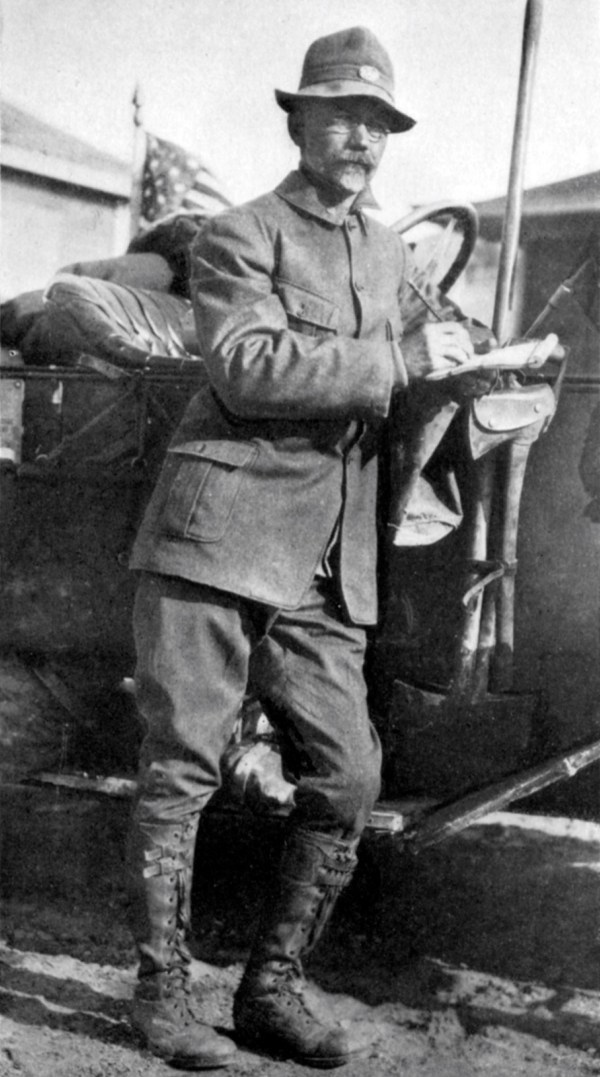
March 4, 1911 Anton L. Westgard departed from Denver, Colorado, for what would be a journey of nearly 10 weeks to the west coast. The vehicle that he used for this trip was a 3-ton (2.7-metric ton) motor truck built by the Sauer Motor Car Company of New York and known as the Pioneer Freighter.... Continue Reading →
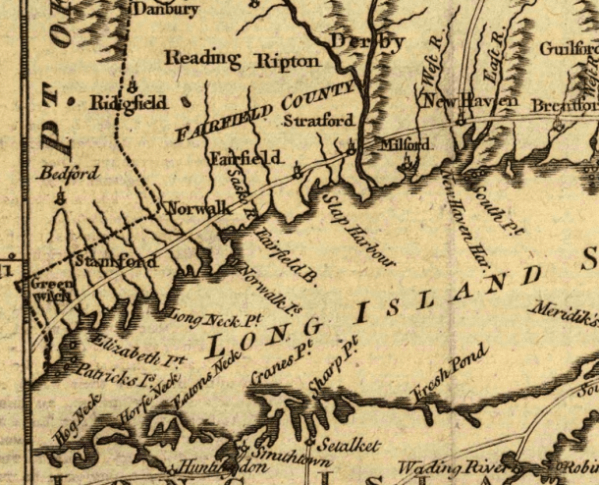
January 22, 1673 The first regular overland mail-delivery service in the present-day United States was launched when a post rider departed New York City on horseback for Boston. New York Colony Governor Francis Lovelace, responding to a directive from England’s King Charles II to establish closer communications among the northern colonies in North America,... Continue Reading →