December 20, 1920
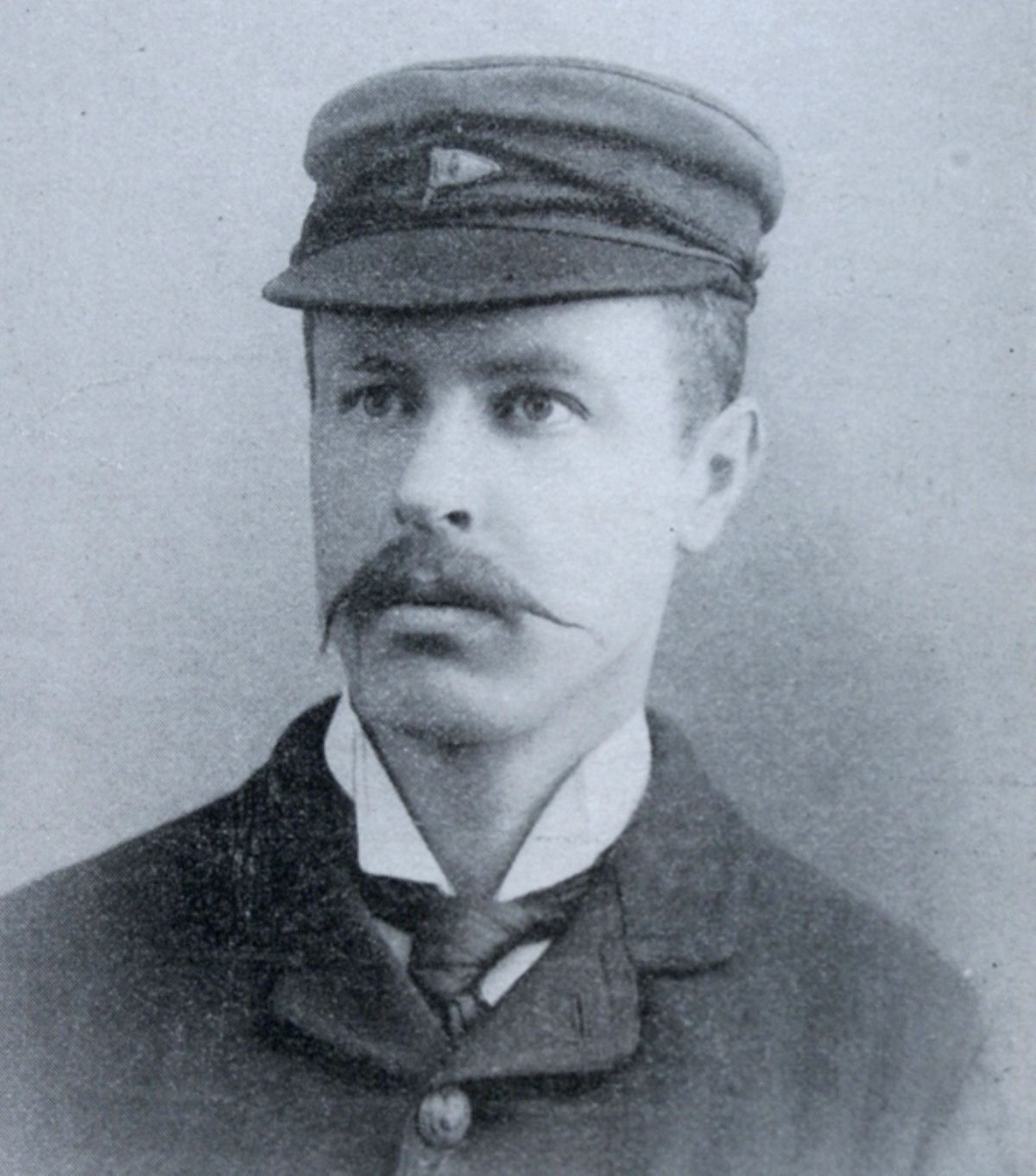
Linton Hope, who earned widespread fame for his contributions to yacht and aircraft design, died in the market town and civil parish of Midhurst in southeastern England. He was 57. Hope had been born April 18, 1863, in northwestern England’s market town and civil parish of Macclesfield as Linton Chorley Hopps. He later changed his last name to Hope.
Hope established himself as a prodigious designer of various yachts that were used across the globe. He also won gold medals as part of the British sailing team at the 1900 Summer Olympics in Paris. The competitions for which Hope received those medals as a crewmember were the Open class and half-to-one-ton events. The team’s vessel for these events was Scotia, a yacht that had been designed by Hope.
A member of the Royal Aeronautical Society, Hope also made notable contributions to the design of flying boats (a type of biplane). In 1915, for example, he designed the AD Flying Boat for the British Admiralty’s Air Department. Hope’s hull designs were used as well for quite a few other British flying boats. The aircraft built with these hulls included the four-engined Fairey N.4 known as Titania, which was the world’s largest flying boat when it first flew in 1923; and the twin-engined Phoenix P.5 Cork.
Photo Credit: Public Domain
For more information on Linton Hope, please check out https://en.wikipedia.org/wiki/Linton_Hope

 Transportation History
Leave a comment