September 18, 1929
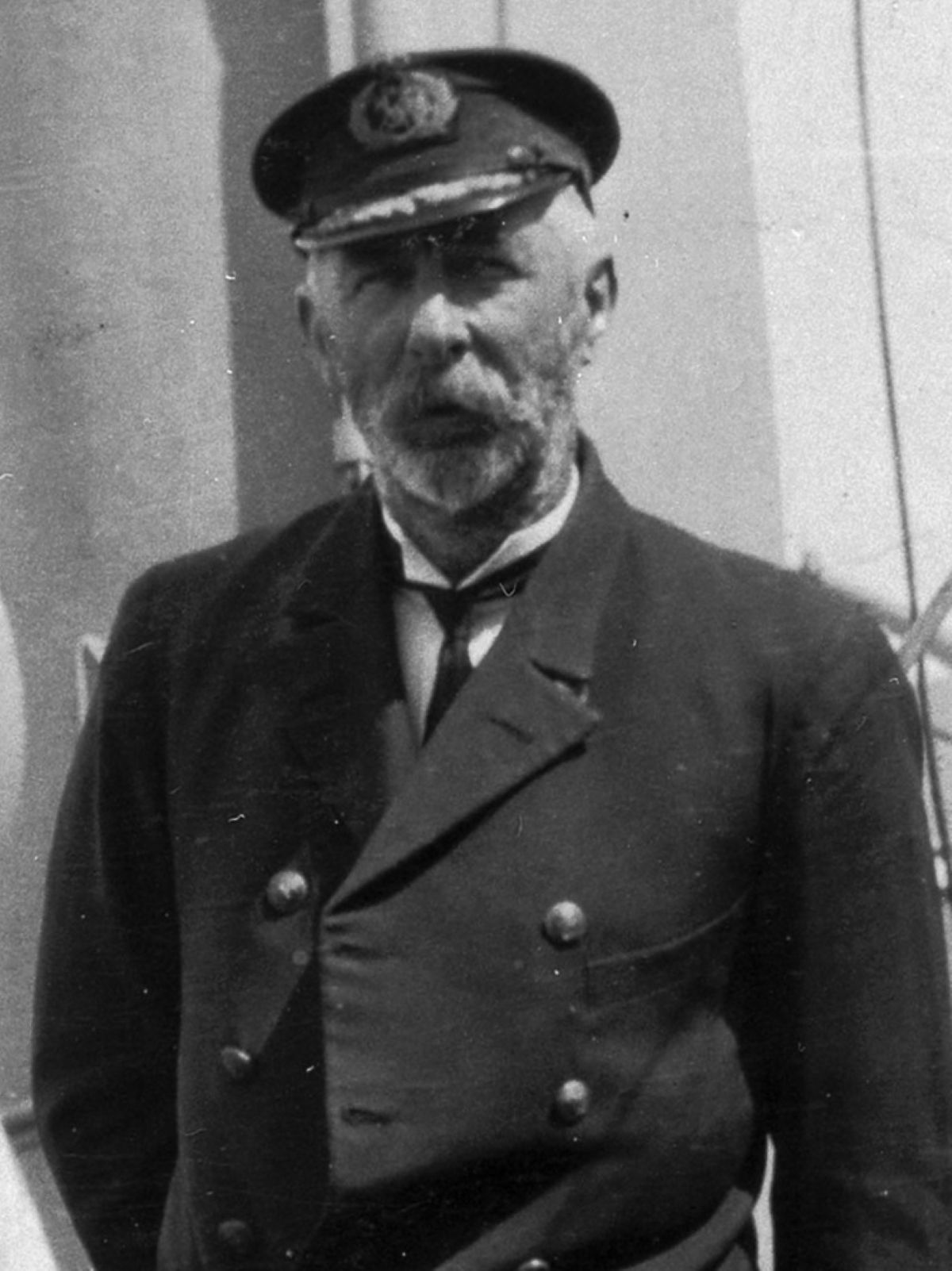
John Peter Bollons, an acclaimed New Zealand naturalist and ethnographer who also achieved fame as a marine captain, died in Wellington at the age of 66. “HIS LAST VOYAGE, A MARINER’S PASSING,” announced that day’s edition of the Wellington-based Evening Post.
Bollons was born on November 10, 1862, in the London-area civil parish and metropolitan borough of Bethnal Green. He began his career as a seafarer during his teenage years. Bollons’ arrival in New Zealand in 1881 via the ship England’s Glory proved to be a rough one after that vessel ran aground in the borough of Campbelltown (now known as Bluff) on South Island. Bollons ended up settling in Campbelltown, working on a pilot cutter — a vessel used for transporting marine pilots to and from merchant ships — before finding employment on the government ketch (two-masted sailboat) Kekeno.
Bollons went on to serve on board various other vessels before earning his master’s certificate so that he could hold officer-level positions on ships and boats. After receiving this license, he worked on board New Zealand Marine Department steamships.
In 1898, Bollons became captain of the department’s vessel NZGSS (New Zealand Government Service Steamer) Hinemoa. His responsibilities in this capacity included selecting sites for lighthouses and delivering supplies and other means of support to those navigational aids; charting New Zealand’s coasts; patrolling and replenishing as needed “castaway depots” (shelters built on subantarctic islands to provide rations and refuge for castaways and shipwreck victims); searching for lost vessels; and transporting scientific parties to their destinations.
The latter of these duties enabled Bollons to pursue and demonstrate his own strong interest in natural history. During those voyages, he would routinely collect a wide range of specimens for not only himself but scientists with whom he corresponded.
Bollons was held in especially high regard by the members of the Sub-Antarctic Islands Scientific Expedition of 1907. These individuals traveled via Hinemoa to Campbell Island and the Auckland Islands to conduct biological, botanical, and zoological surveys. Bollons’ role as both ship captain and scientific tour guide for this expedition led one of the participants, botanist Leonard Cockayne, to name the plant Veronica bollonsii after him.
This expedition also turned out to be a lifesaving operation on Disappointment Island (one of the Auckland Islands), when Bollons rescued the survivors of the British barque Dundonald several months after their vessel had been shipwrecked there. Another one of his lifesaving missions as captain of Hinemoa involved the 1905 rescue of the crew of the French barque Anjou after that vessel had been shipwrecked on Auckland Island (the main island of the eponymous archipelago).
After 24 years as captain of Hinemoa, Bollons became commander of NZGSS Tūtānekai. He served as that steamship’s captain until his death. A little over a year before his passing, Bollons was awarded the British Empire’s Imperial Service Order for his longtime and meritorious career. In another honor, an island of New Zealand’s subantarctic Antipodes Islands has been named after him.
Photo Credit: Public Domain
For more information on John Peter Bollons, please check out https://teara.govt.nz/en/biographies/3b40/bollons-john-peter

 Transportation History
Leave a comment