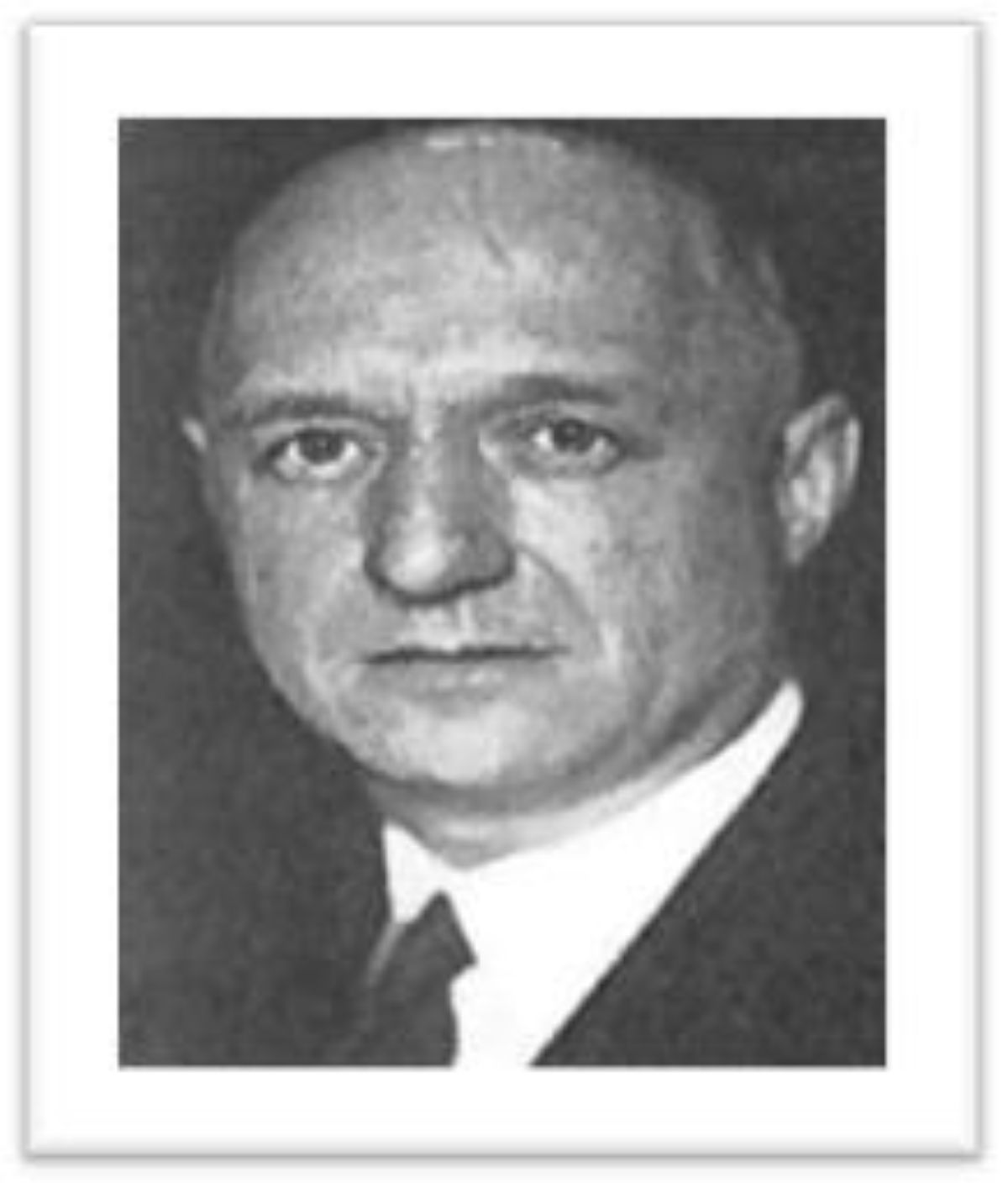
January 22, 1884
Samuel Eckels, who would carve out a longtime and consequential career in the development of highways in the United States, was born in the borough of West Brownsville, Pennsylvania, in the Pittsburgh area. In 1905, he graduated from Washington & Jefferson College in that region of the Keystone State with a bachelor of science degree. Eckels worked for the Pennsylvania Railroad for one year and then embarked on what would become a lifelong highway engineering career.
This career included a dozen years serving in western Pennsylvania in such capacities as an engineer for the city of Pittsburgh, member of the Allegheny County Authority, and director of that county’s department of public works. In addition, Eckels saw military service during World War I as a lieutenant in the U.S. Marine Corps and was stationed in the West Indies.
Eckels served as chief engineer for the Pennsylvania Department of Highways (PDH) from 1927 to 1935 and ended up working under a total of three governors. (PDH was replaced by the present-day Pennsylvania Department of Transportation in 1970.) Eckels led PDH at a time during which the greatest growth for the Pennsylvania roads system occurred, with 20,167 miles (32,455.6 kilometers) of rural routes taken over by the state “to get the farmer out of the mud” (in the words of Governor Gifford Pinchot).
Eckels also became significantly involved in the American Association of State Highway Officials (AASHO), which has been known as the American Association of State Highway and Transportation Officials (AASHTO) since 1973. Eckels’ work on behalf of AASHO included his service as a member of the Executive Committee starting in 1928.
At the AASHO Annual Meeting in San Antonio in November 1929, Eckels was elected the association’s 16th president. He assumed this leadership role not long after the onset of what he would characterize as “an economic emergency of national proportions,” namely the severe “Black Tuesday” stock market crash that signaled the start of the Great Depression.
As AASHO president, Eckels sought to promote and preserve adequate funding for highway construction and also to work with the administration of President Herbert Hoover in addressing the major economic challenges facing the United States at that time. At the end of his term, Eckels asserted that Hoover “relied upon the members of the Association to provide the greatly increased construction programs which were needed to stimulate the failing pulse of business.”
Eckels further stated, “And it must be observed, to the everlasting credit of this Association, that the highest expectations were achieved, and that a nation-wide program of highway construction was inaugurated and is being carried out on a scale never before attempted on the face of this earth.”
After stepping down as chief engineer of PDH, Eckels served in such roles as chief engineer of the Allegheny County Authority. He also maintained his involvement with AASHO as a member of the association’s Special Radio Committee. Eckels was also part of the group responsible for planning activities to commemorate the association’s 25th anniversary in 1939. Just before that celebration took place, however, he died on September 26, 1939, at his home in the Pittsburgh suburb of Mount Lebanon.
“His administrative qualifications seemed to be unlimited,” noted AASHO’s American Highways Magazine in an article reporting on his death. “Having a pleasing and striking personality, he was a leader in his profession in whatever capacity he served. We all delighted in calling him our friend.”
Photo Credit: American Highways Magazine
For more information on Pennsylvania highways during Samuel Eckels’ tenure as the state’s chief engineer, please check out https://explorepahistory.com/odocument.php?docId=1-4-1DD and https://highways.dot.gov/highway-history/general-highway-history/us-22-william-penn-highway

 Transportation History
Leave a comment