September 1, 2009
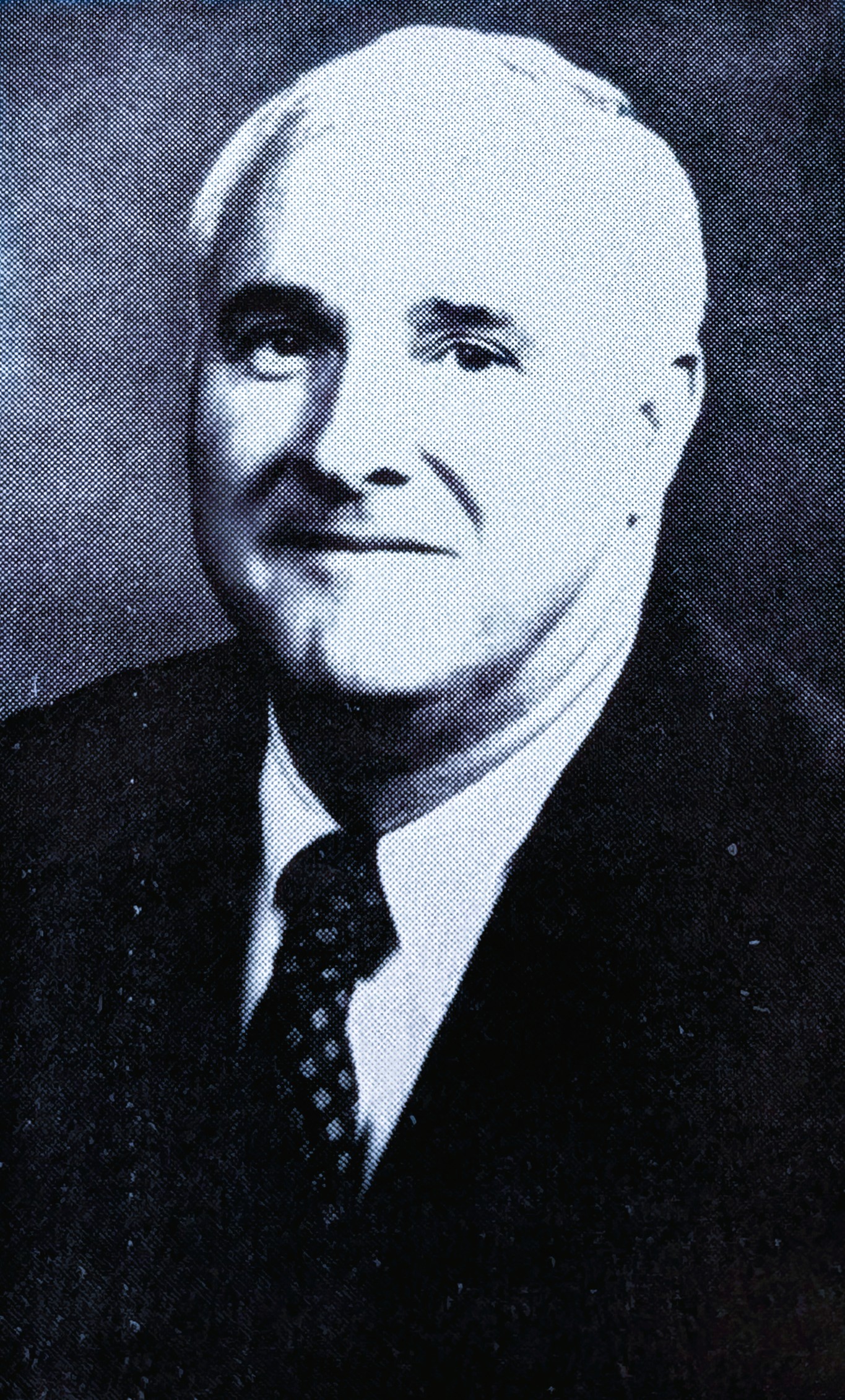
Wayne Shackelford, who served for nearly a decade as commissioner of the Georgia Department of Transportation (GDOT), died at what is now known as Piedmont Eastside Medical Center in the city of Snellville in the north-central part of the Peach State. He was 75.
Shackelford was born in Carroll County, Georgia, on November 3, 1933. He received his high school education there. Shackelford graduated from Berry College in Rome, Georgia, with a B.S. degree in agriculture, and went on to complete graduate courses at the University of Georgia. He also served in the U.S. Army. Shackelford’s public service experience in Georgia began with his work as a county extension agent in Haralson County and later as the longtime assistant to the Gwinnett County Commission. He then pursued a career in real estate and property development.
Shackelford’s return to the public sphere took place in 1991, when — at the urging of Governor Zell Miller — he was chosen as the GDOT commissioner by the State Transportation Board. Shackelford served in that position at a time when Georgia was experiencing huge growth in population and resultant transportation infrastructure demands.
In addressing these challenges, Shackelford oversaw the construction of more lane miles (kilometers) of highway in Georgia than any other commissioner in a couple of decades; expanded the focus on multi-modal activities at the agency; improved local airports statewide; promoted commuter and intercity rail services; and strengthened computerized traffic management operations.
Shackelford also played a key role in the various large-scale preparations and logistics for the Centennial Olympic Games held in Atlanta during the summer of 1996. A Georgia state lawmaker subsequently proclaimed that it was under Shackelford’s leadership that “the most comprehensive traffic and incident management system in the world was developed for the event.”
During his years as commissioner, Shackelford also became deeply involved in transportation issues at the national level. He served as president of the Southeastern Association of State Highway and Transportation Officials (SASHTO) as well as the Intelligent Transportation Society of America. He was also chairman of the Transportation Research Board.
Shackelford likewise assumed major leadership roles within the American Association of State Highway and Transportation Officials, (AASHTO). While serving as this association’s vice president, he chaired the Special Committee on Intermodal Issues and Domestic Freight Policy.
In October 1994, Shackelford was elected president of AASHTO at the association’s annual meeting in Albuquerque, New Mexico. He stepped into this role at a crucial time for the association’s members and more generally for transportation throughout the United States.
With the 21st century fast approaching, new challenges in multi-modal transportation planning and policy continued to evolve in the wake of the Intermodal Surface Transportation Efficiency Act of 1991 (ISTEA) and what was widely regarded as the start of the post-Interstate System Highway System era. Shackelford, for his part, emphasized those challenges upon becoming president. “Change gives us responsibilities we better be prepared to live with,” he told the AASHTO Board of Directors.
Shackelford’s emphasis areas as AASHTO president during 1995 included supporting creation of the National Highway System (NHS) to help bolster economic competitiveness and the U.S. intermodal network. This goal was achieved about a month after Shackelford concluded his term as president, when President Bill Clinton signed into law the National Highway System Designation Act of 1995 classifying approximately 160,955 miles (259,032 kilometers) of roads — including the Interstate Highway System — as the NHS.
Shackelford also strongly championed the reauthorization of ISTEA, working on AASHTO’s behalf with the U.S. Department of Transportation and other stakeholders on a legislative measure that would strengthen the national intermodal transportation system. Those advocacy efforts would help lay the groundwork for the Transportation Equity Act for the 21st Century (TEA-21), which was enacted in 1998. As president, Shackelford also urged AASHTO’s member departments not “to let the momentum die” in association initiatives already underway to promote the highest possible quality standards in transportation and further enhance customer service to the public.
After stepping down as AASHTO president, Shackelford continued serving as GDOT commissioner for a few more years. He retired from that position in 2000 and subsequently worked for the engineering-and-planning firm Gresham, Smith and Partners for the next nine years. During this period, Shackelford also chaired the Gwinnett County Chamber of Commerce and advocated for construction of the “Brain Train” commuter rail line connecting university centers in Atlanta and Athens. In 2007, the new interchange between State Route 316 and Interstate 85 in Duluth, Georgia, was named in his honor.
John Horsley, who was AASHTO executive director from 1999 to 2013, praised Shackelford at the time of this GDOT commissioner’s death in 2009. “Wayne Shackelford was a tremendous national leader for AASHTO,” said Horsley. “He led AASHTO, TRB, ITS America, and served as Chairman of our Standing Committee on Aviation. There was no stronger voice for good transportation in this country than Wayne’s.”
Photo Credit: AASHTO Quarterly magazine (Fall 1994/Winter 1995)
For more information on Wayne Shackelford, please check out https://www.georgiatrend.com/2007/12/01/road-stories/ and https://www.gainesvilletimes.com/news/health-care/northeast-georgia-health-system-turns-75-today-heres-a-look-back-and-ahead


Leave a comment